PUBLIC BODIES (Working title)
A photographic investigation into how Black male embodiment has been shaped by projection, racial fantasy, and cultural expectation.
Public Bodies
Public Bodies is a long-term photographic project examining how Black male embodiment has been shaped by projection, desire, and historical mythologies in Western culture.
Across two interconnected series — Sensi and BBC (Black. Body. Construct.) — the work traces how centuries of racial fantasy, pornography, and popular media have contributed to the construction and consumption of Black masculinity. These are not simply cultural images. They are scripts — powerful enough to shape not only how Black men are seen, but how they come to understand and perform their own sexuality.
The project moves between private and public space, between staged reconstruction and documentary observation, revealing how the same projections operate in the bedroom and on the street. At its core, Public Bodies asks what happens when the Black male body becomes visible on its own terms — complicating the gaze that has historically defined it, and exposing the thin line between performance and personhood.
Sensi
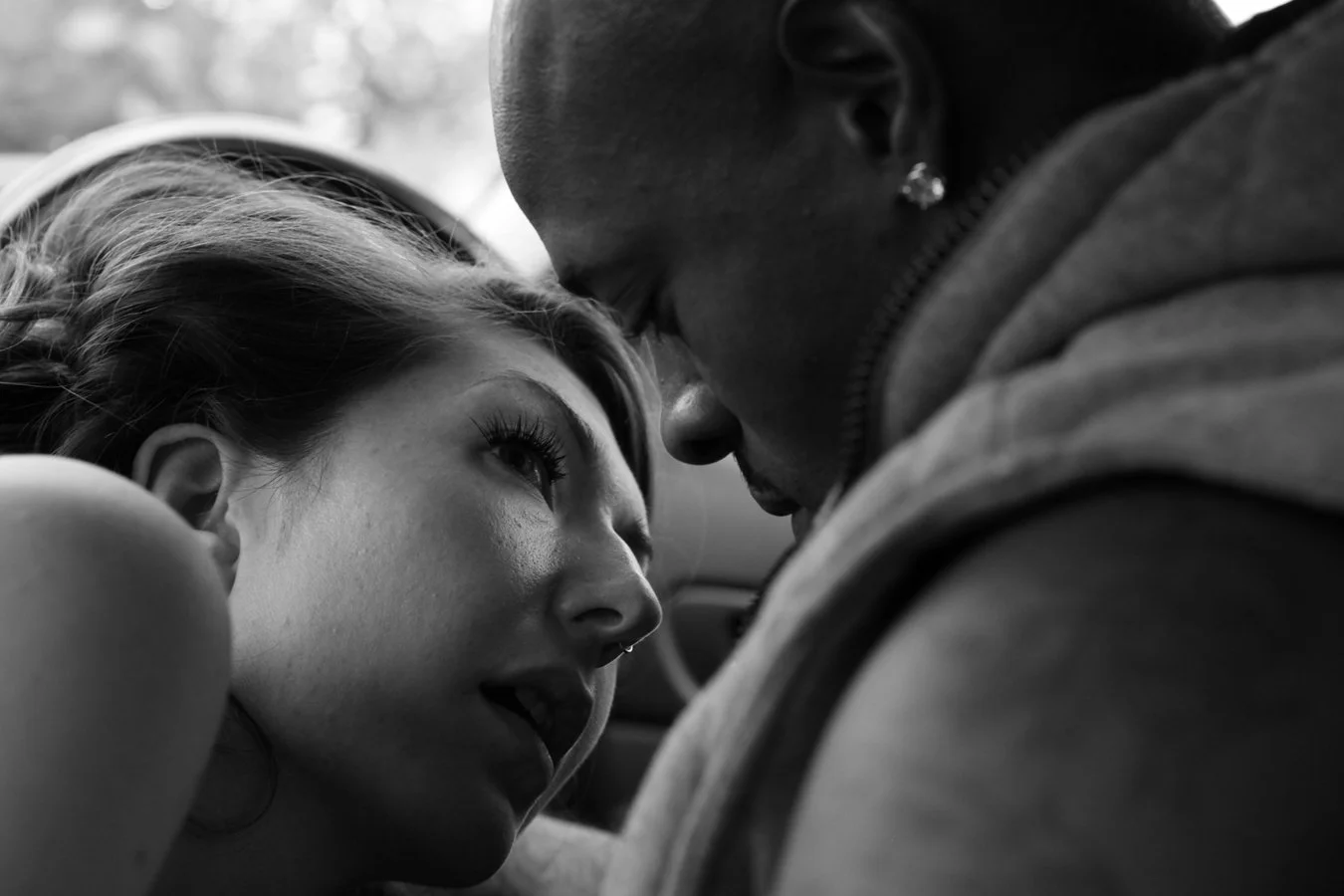
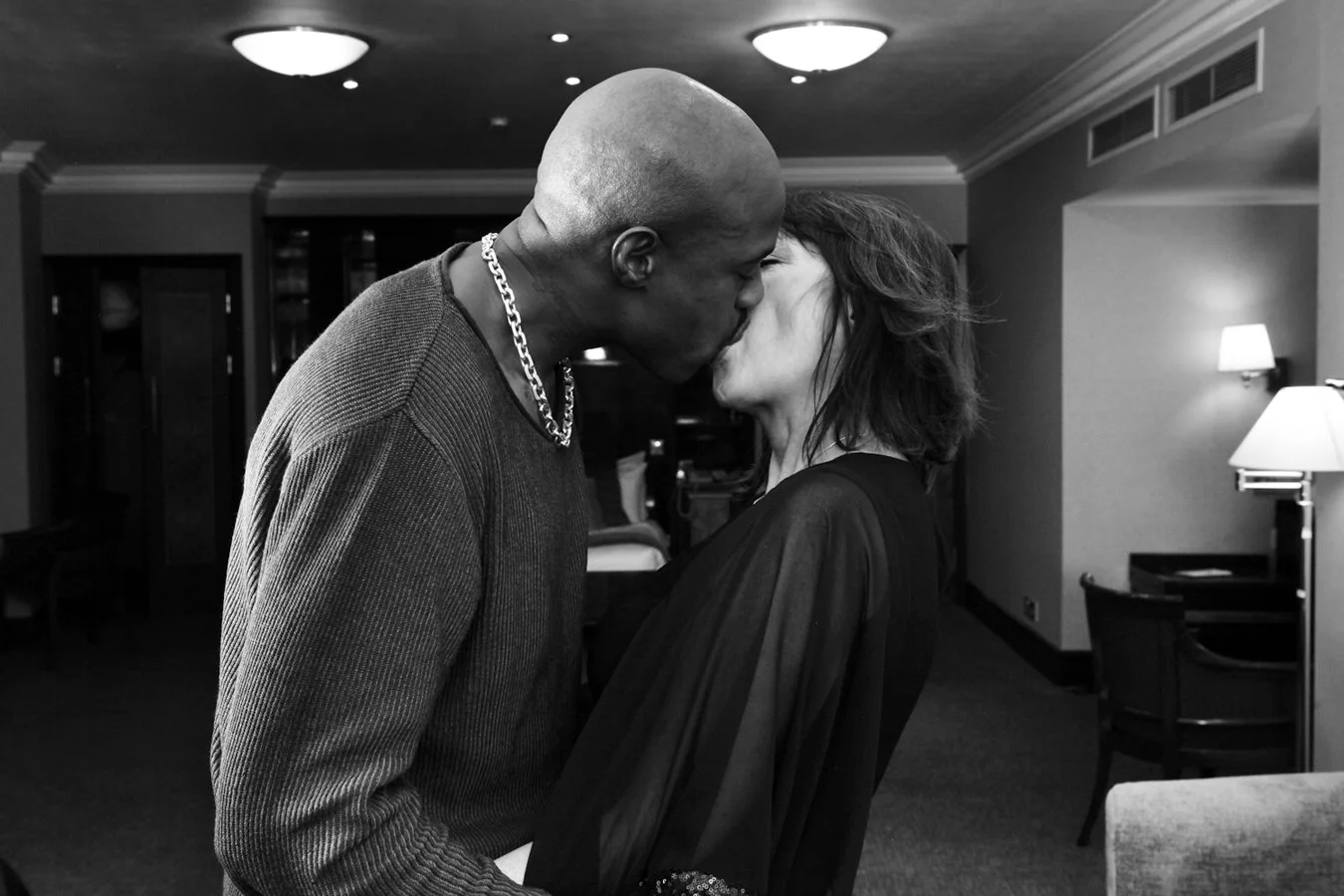
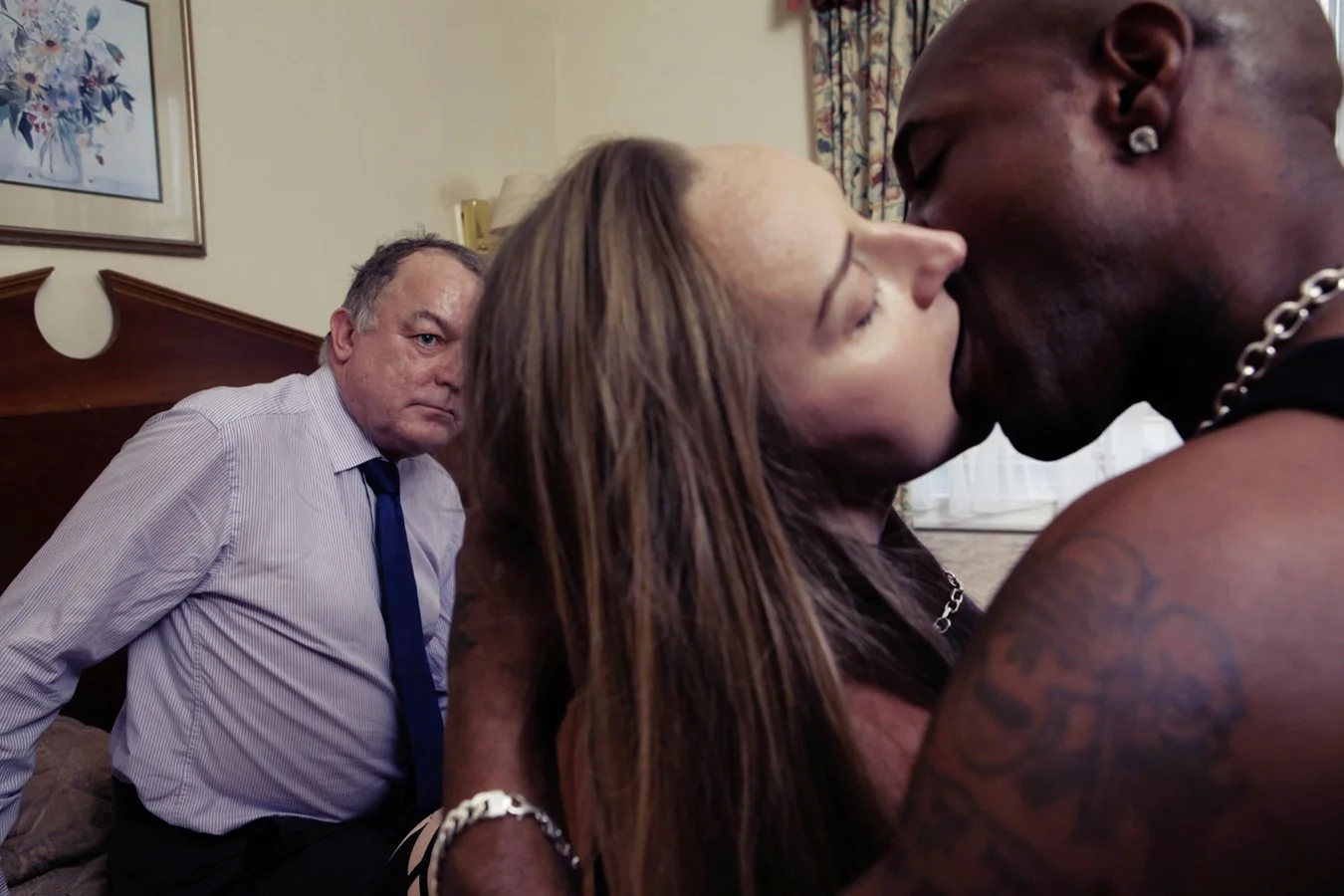
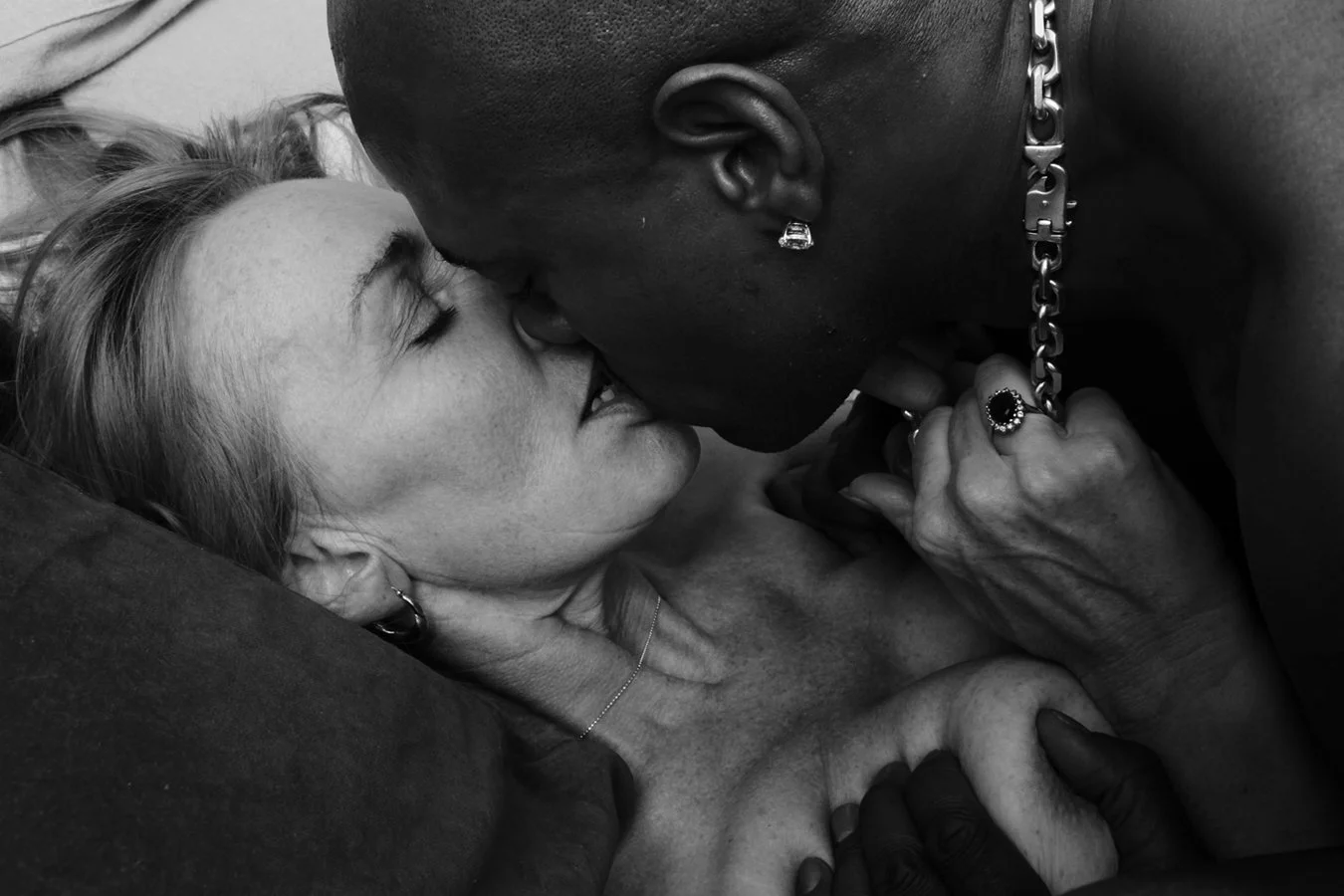
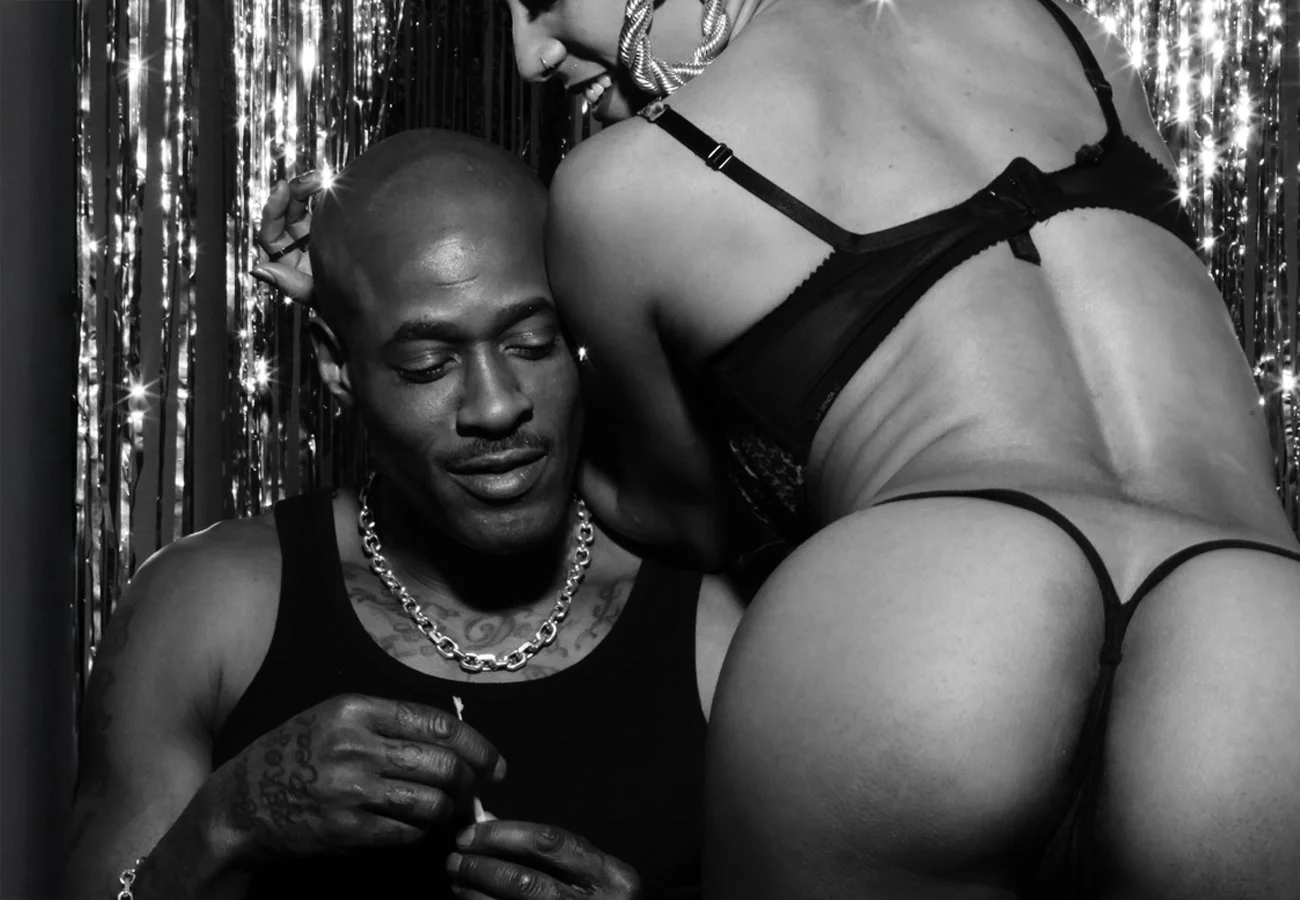
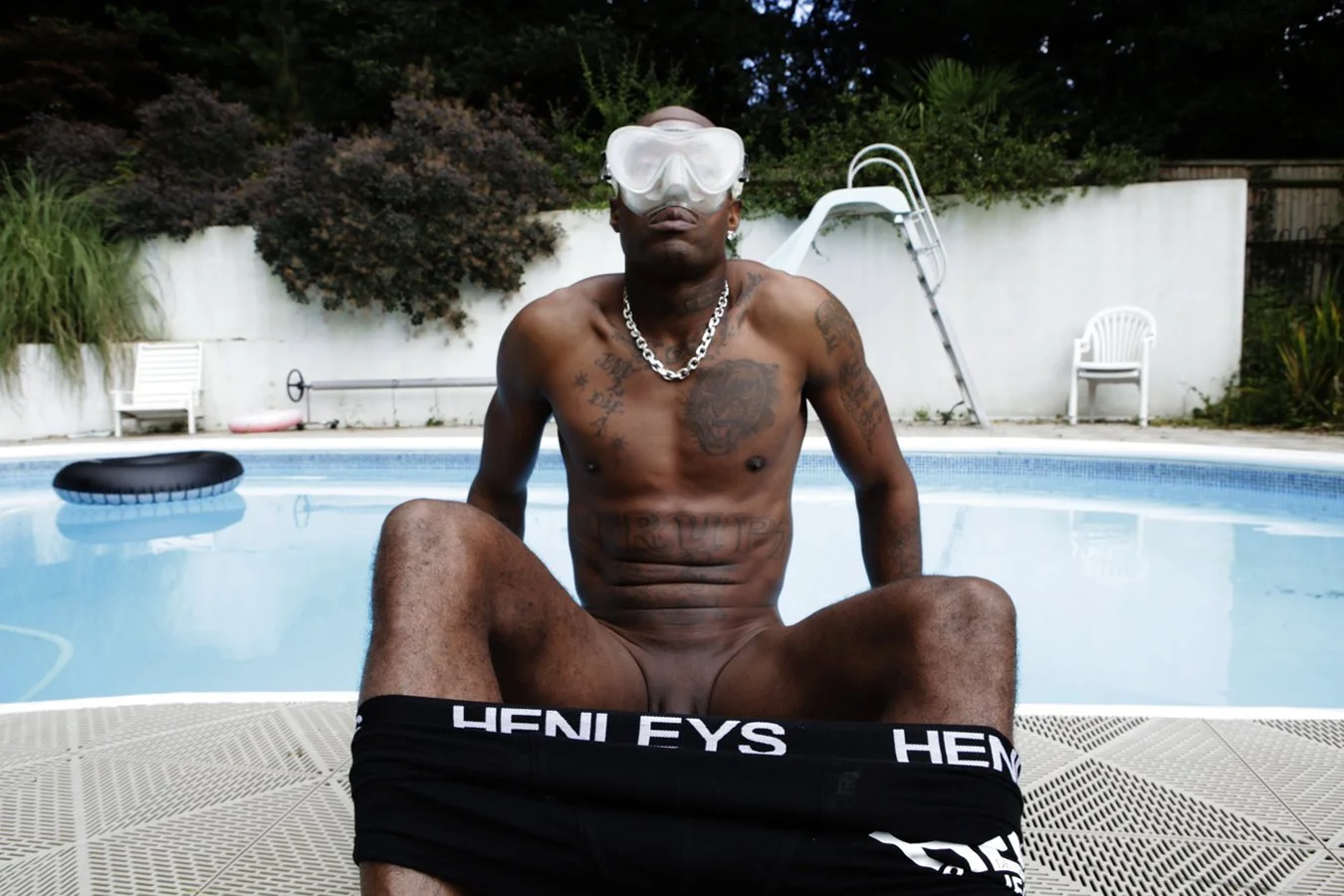
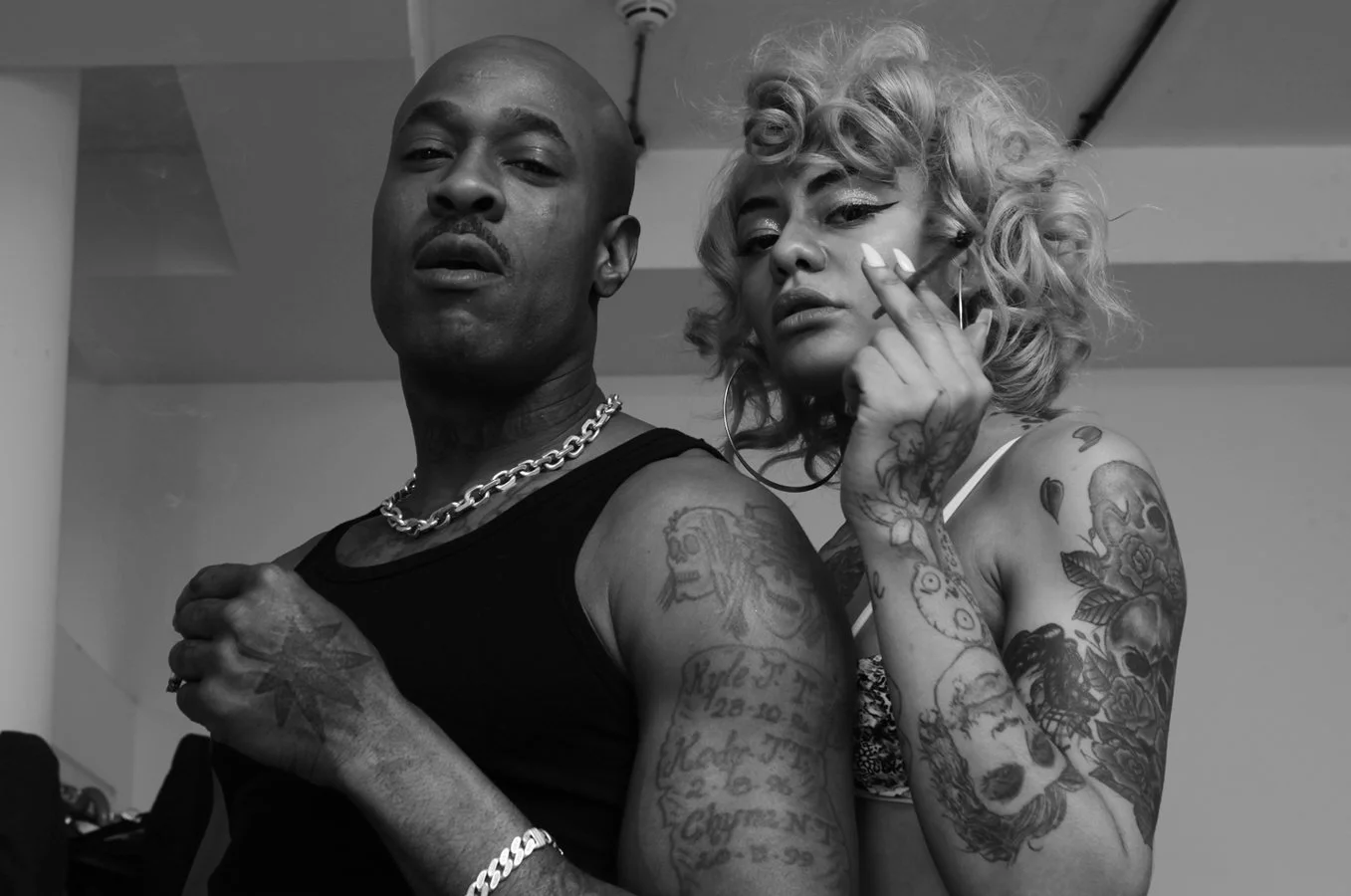
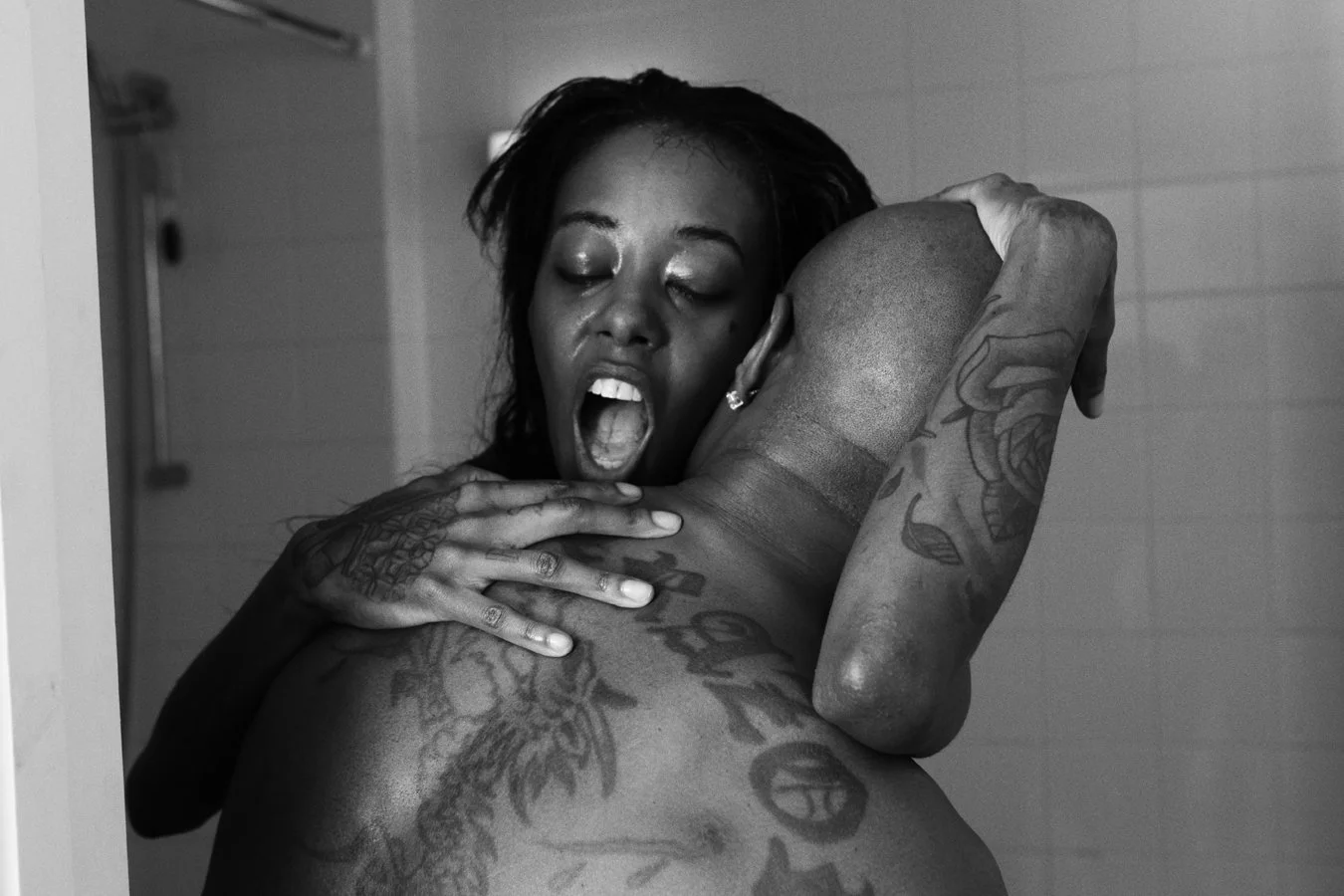
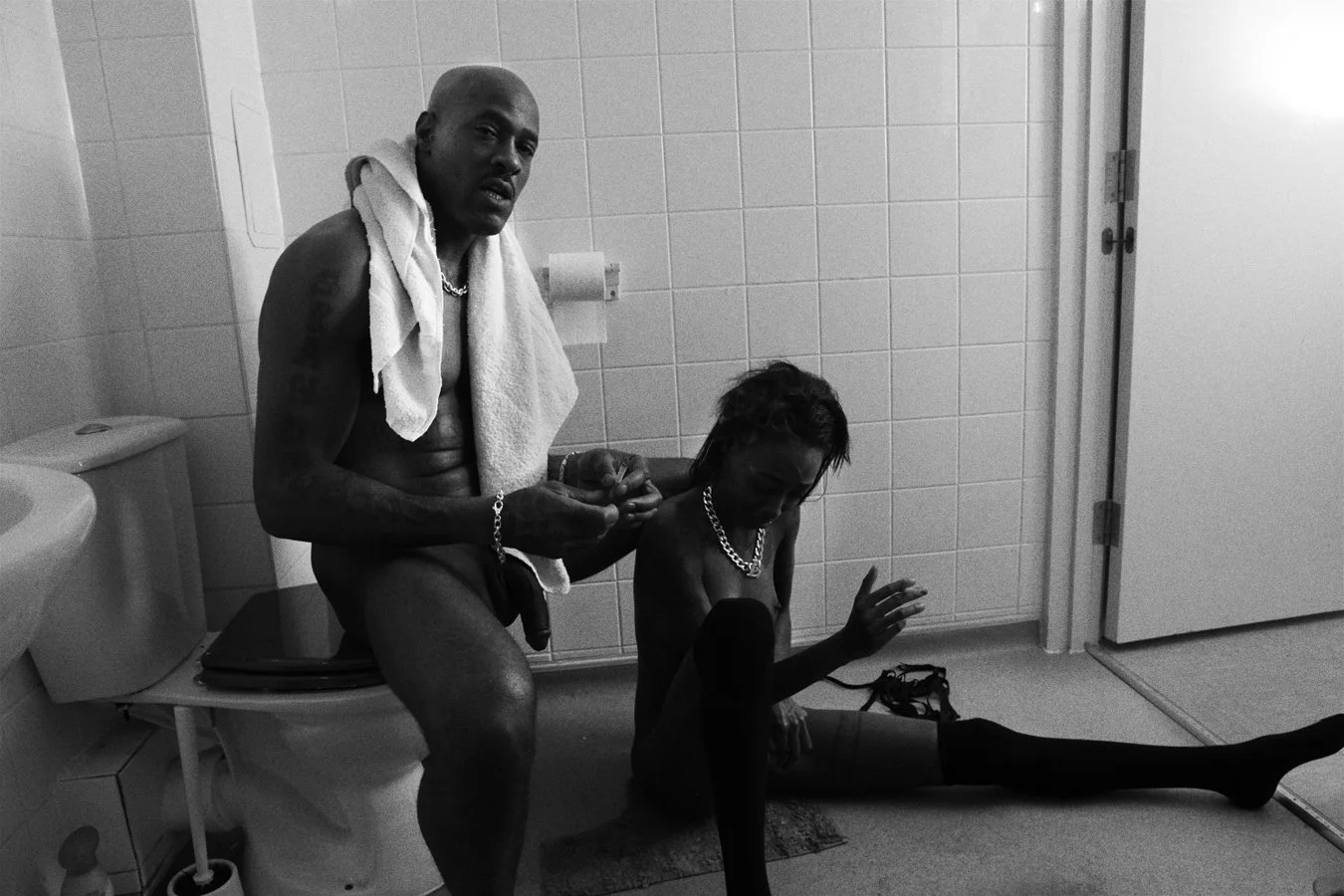
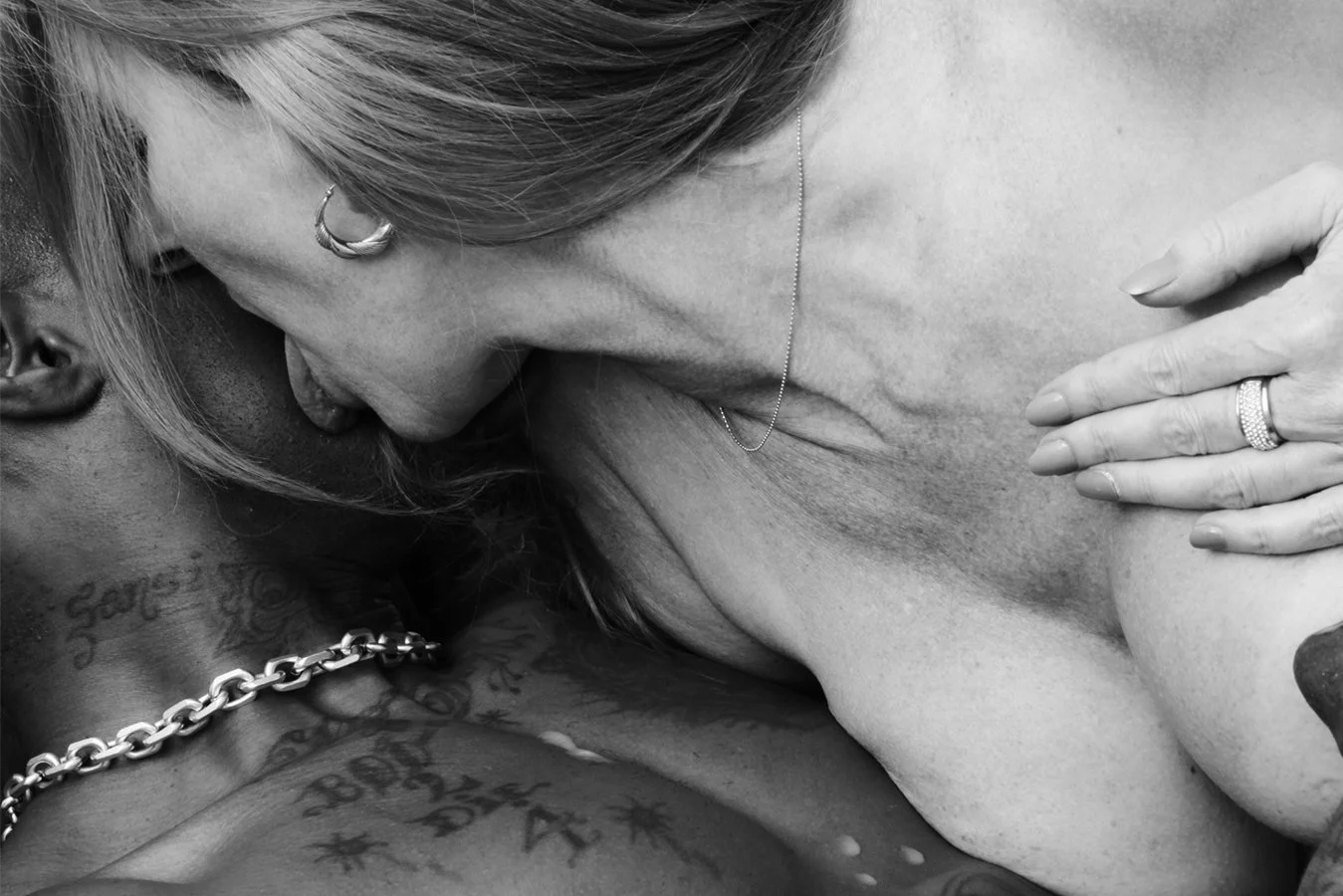
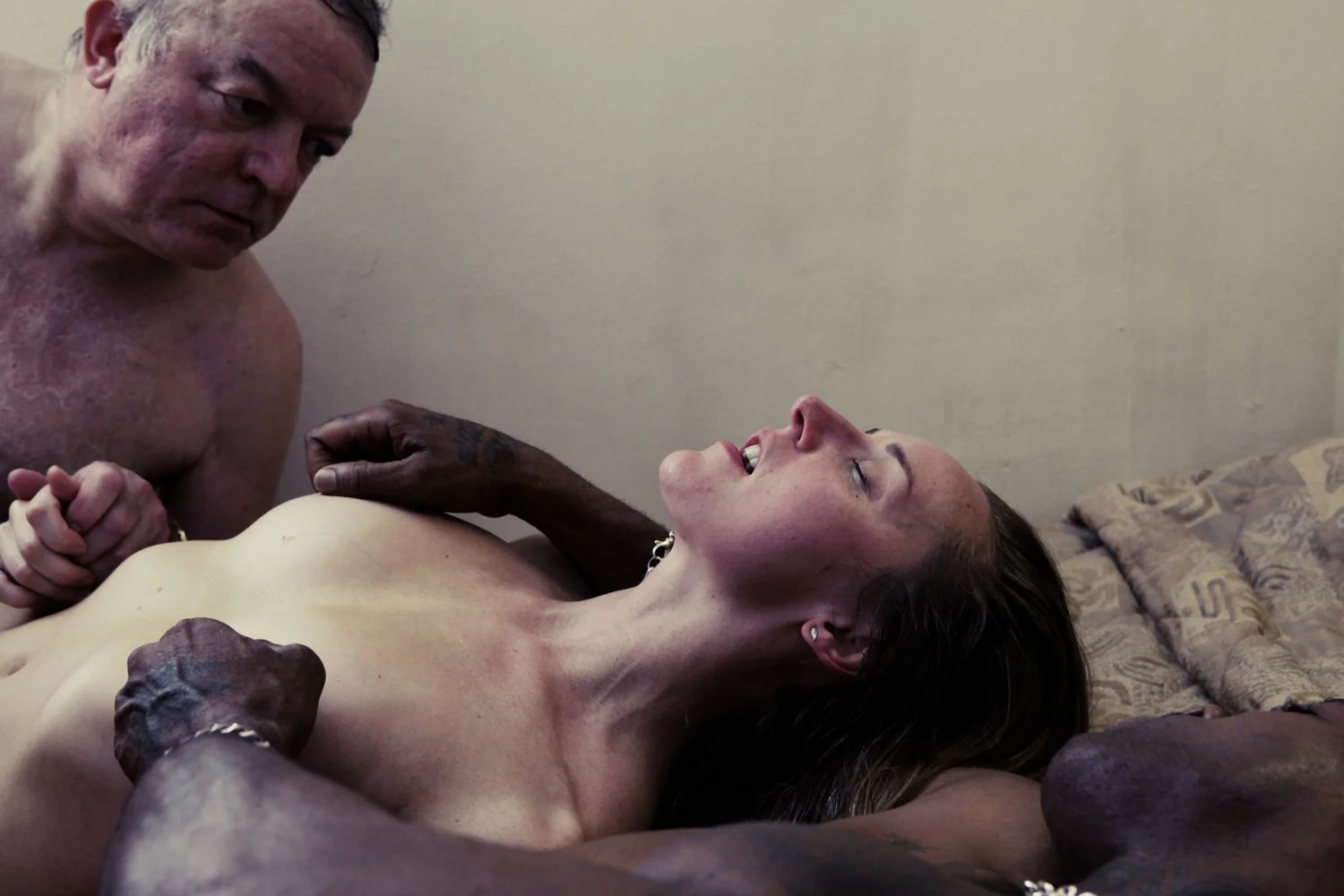
Sensi explores the fantasies and taboos surrounding Black male sexuality in Western culture through encounters drawn from the lived experience of a Black escort.
As Africans were brought into Western societies through slavery and colonialism, sadomasochistic rituals of dominance and submission were already embedded in the fabric of its sexuality — and Black masculinity became synonymous with them. Reinforced across generations through slavery, colonialism, and the cultures that followed, this association produced a powerful and contradictory image: the Black male body as simultaneously dangerous and desirable, feared and fetishised, a curiosity and a taboo.
Popular culture and mainstream media have sustained and amplified these mythologies. The idea of Black men as hypersexual, dominant, and perpetually available has become a cultural script that shapes expectation — both from outside and, at times, from within. Interracial pornography has codified these dynamics into genre conventions, reducing bodies to archetypes: the mandingo, the bull, the cuckold's fantasy. These are not fringe images. They are mainstream, widely consumed, and culturally consequential.
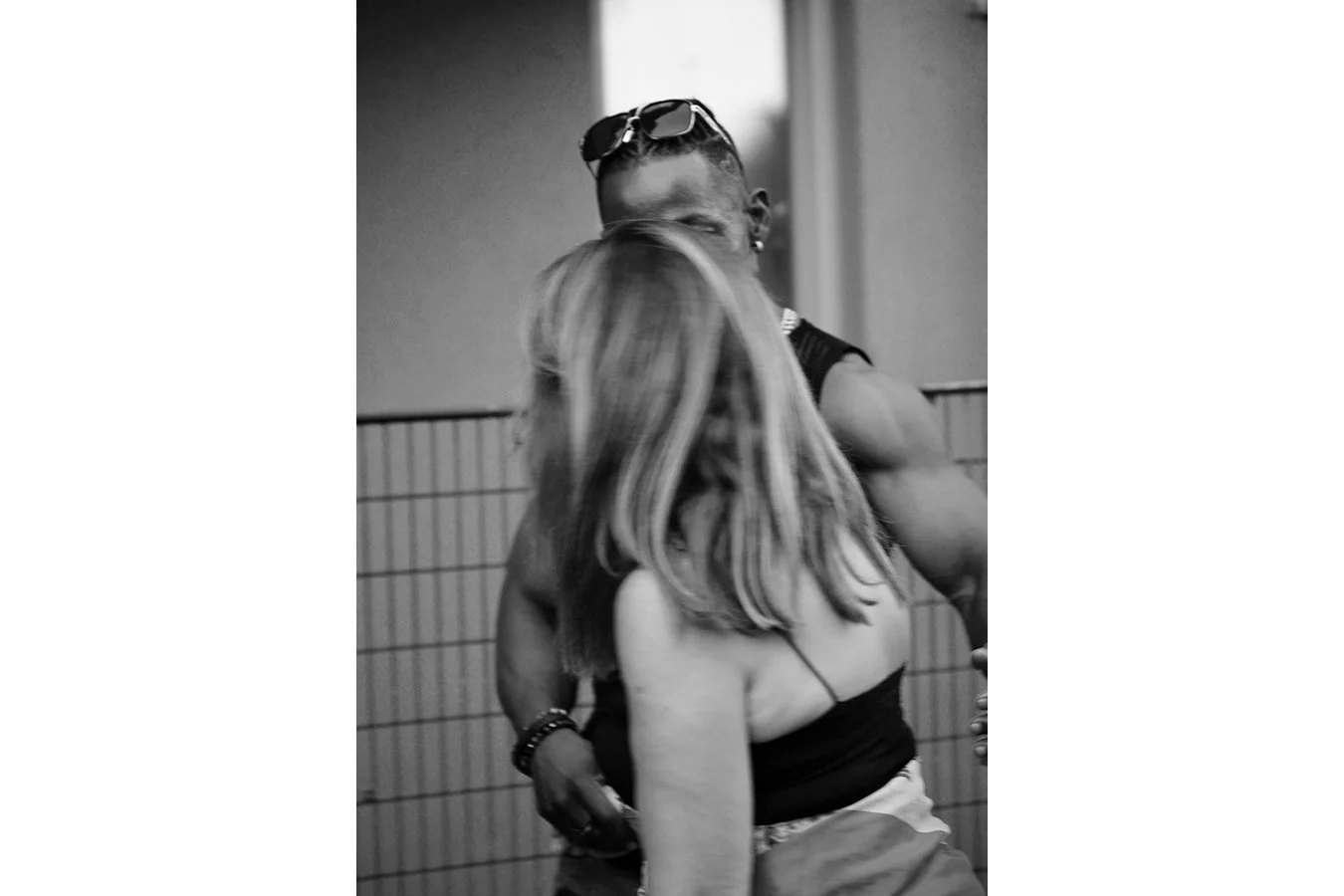
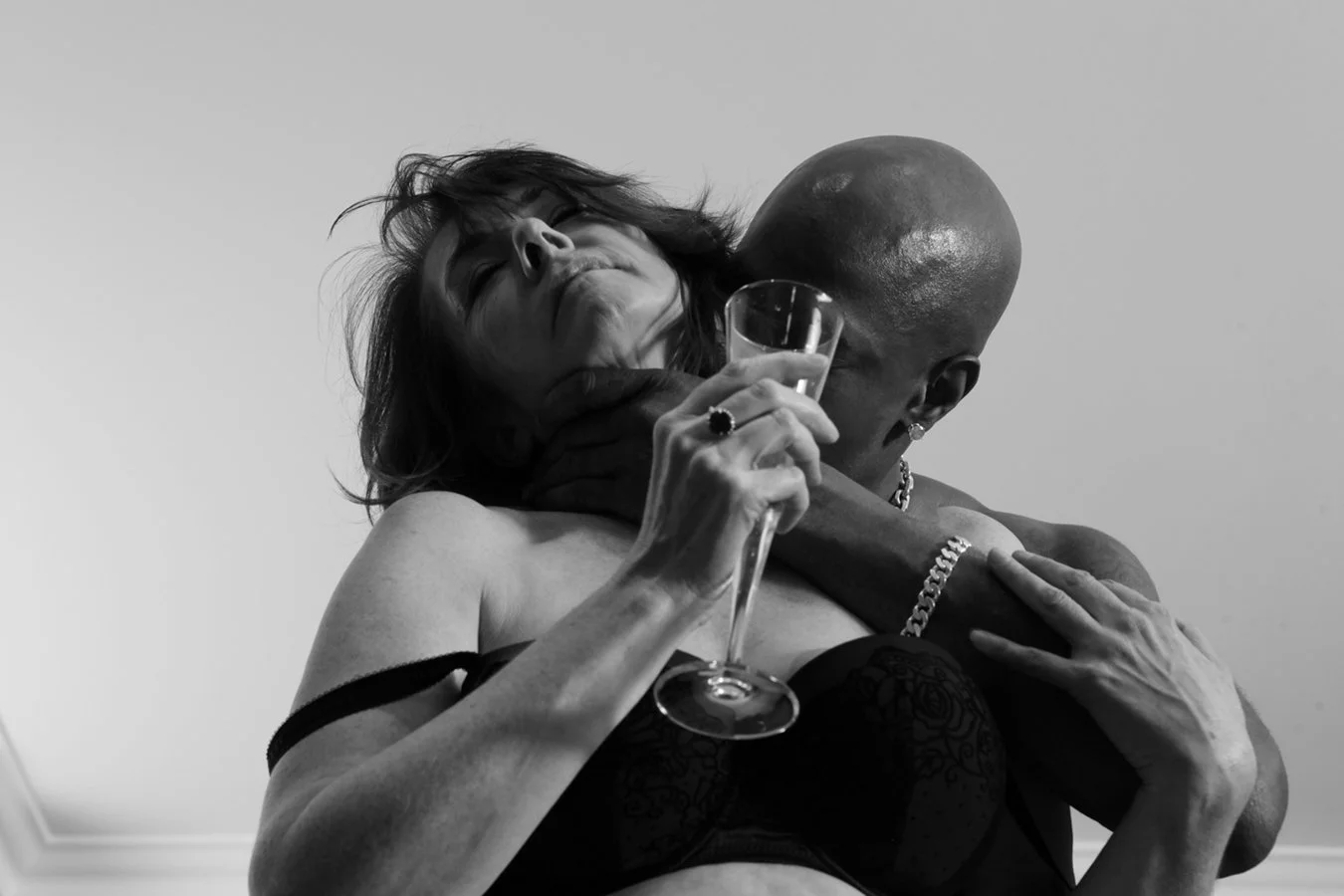
The images in Sensi are staged reconstructions of situations drawn from the escort's experience — environments where desire, power, and performance converge, and where racial fantasy is enacted and negotiated in real time. The series does not document sexual acts. It examines the structures that surround them: who holds the gaze, who performs for whom, and what histories are present in the room.
Participants include both sex workers and individuals with no connection to the sex industry. All collaborators consented to their participation.


BBC: Black. Body. Construct.
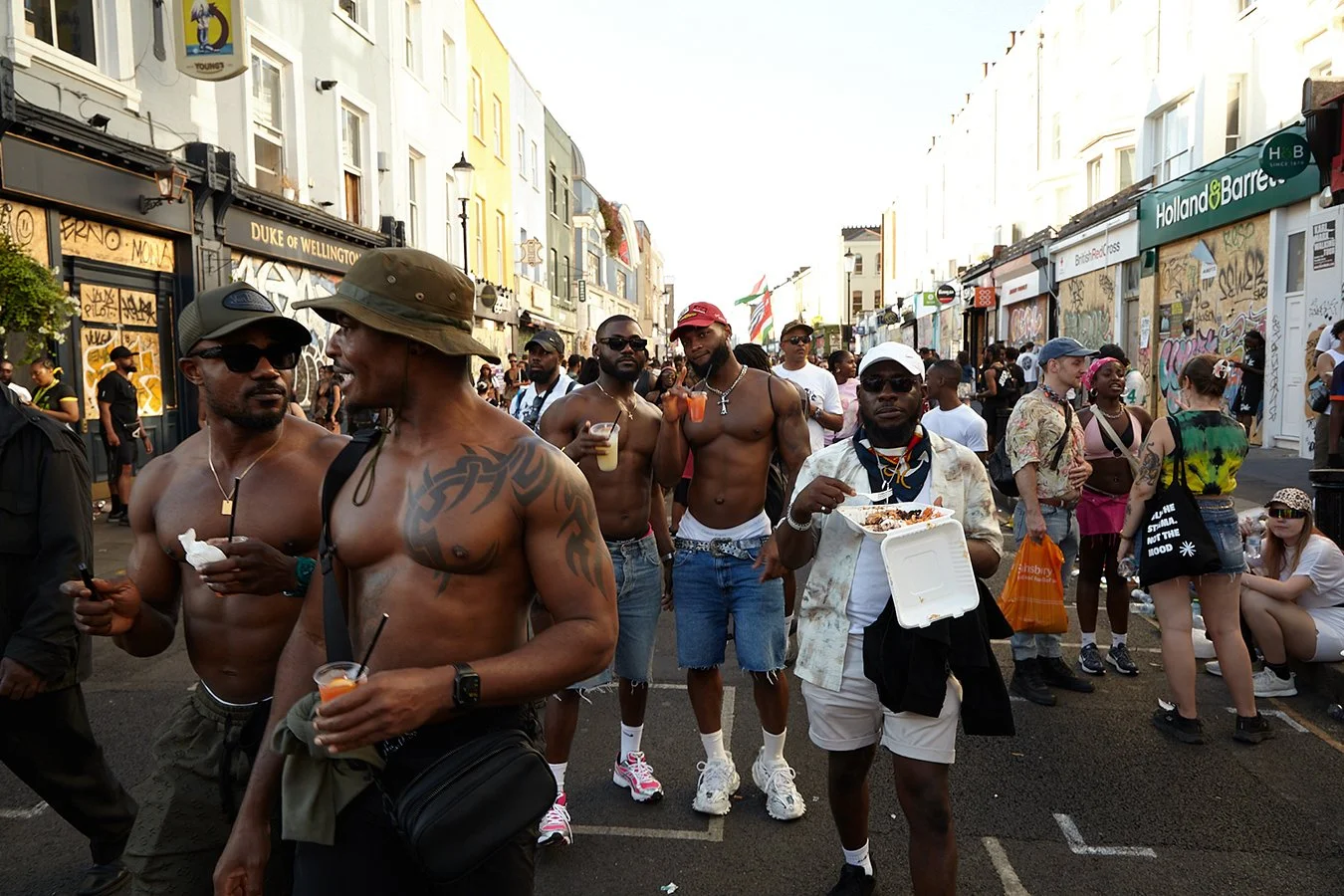
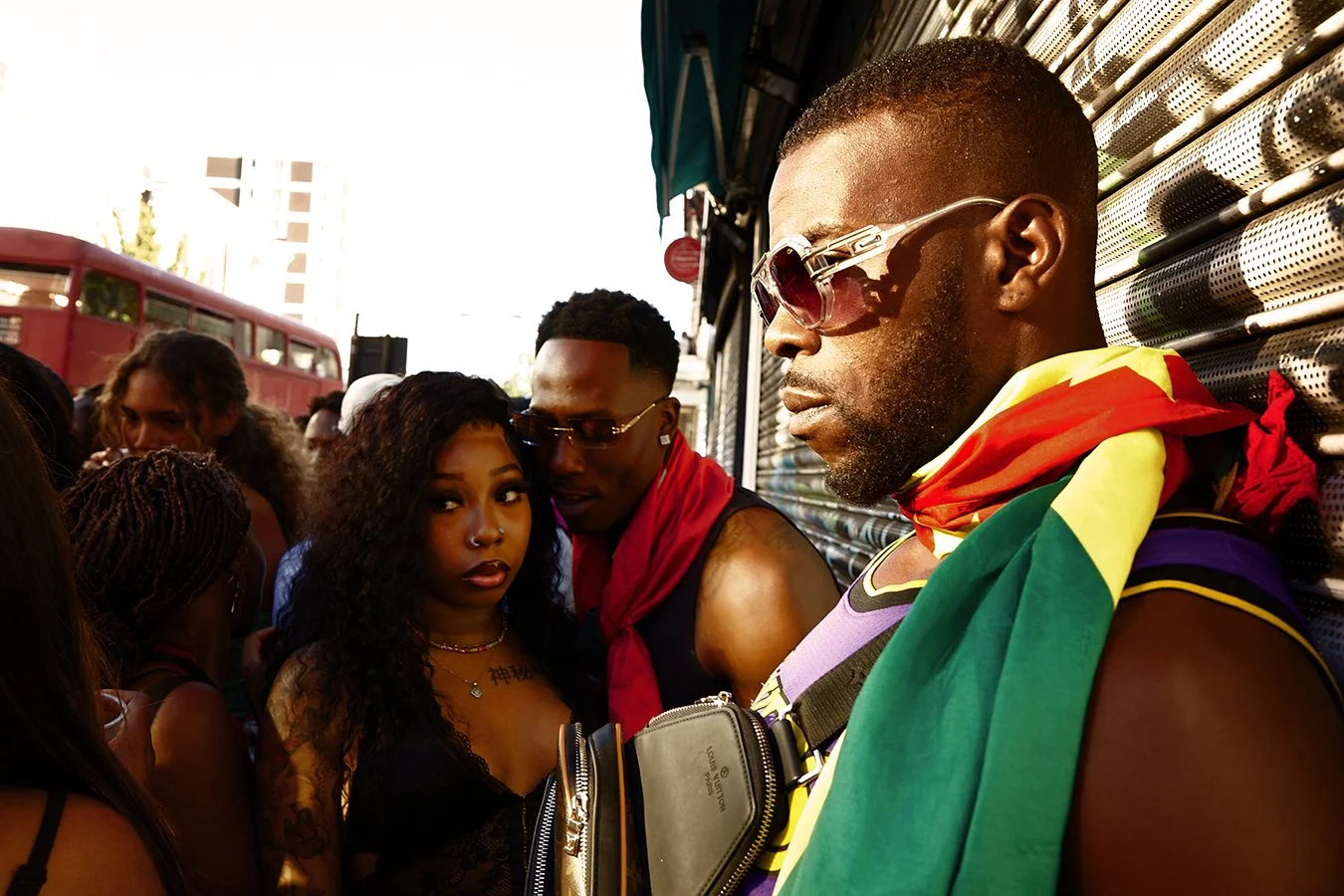
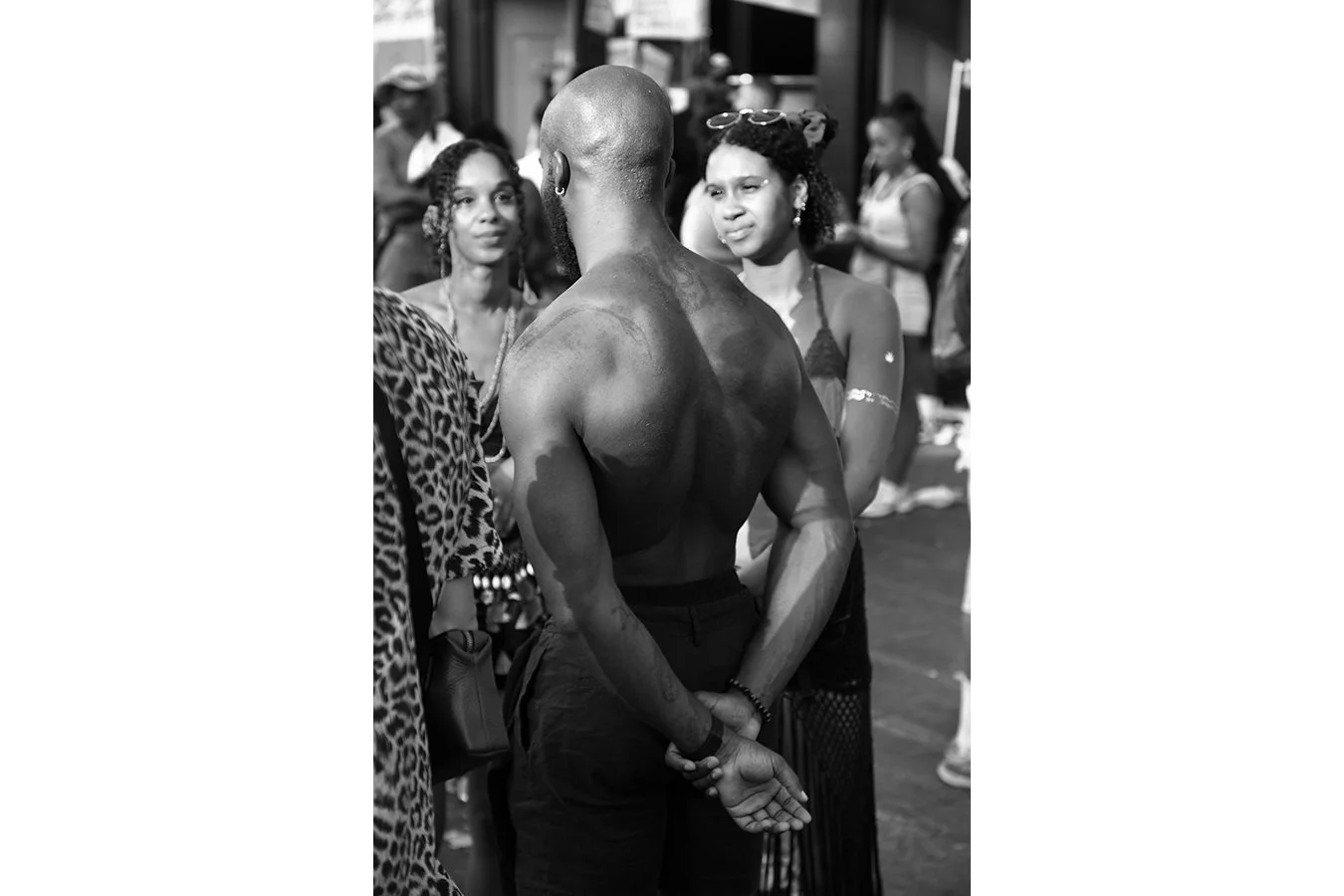
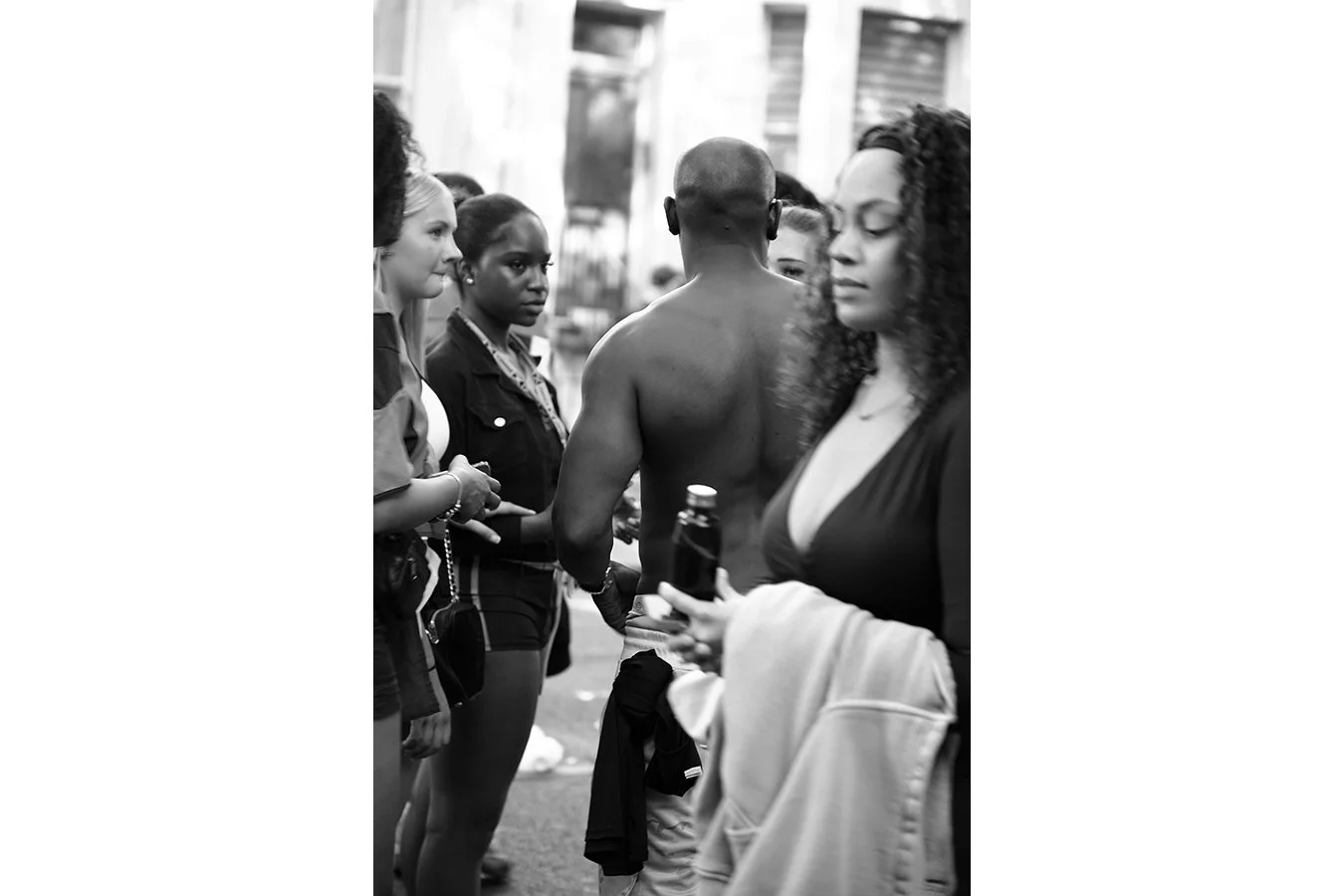
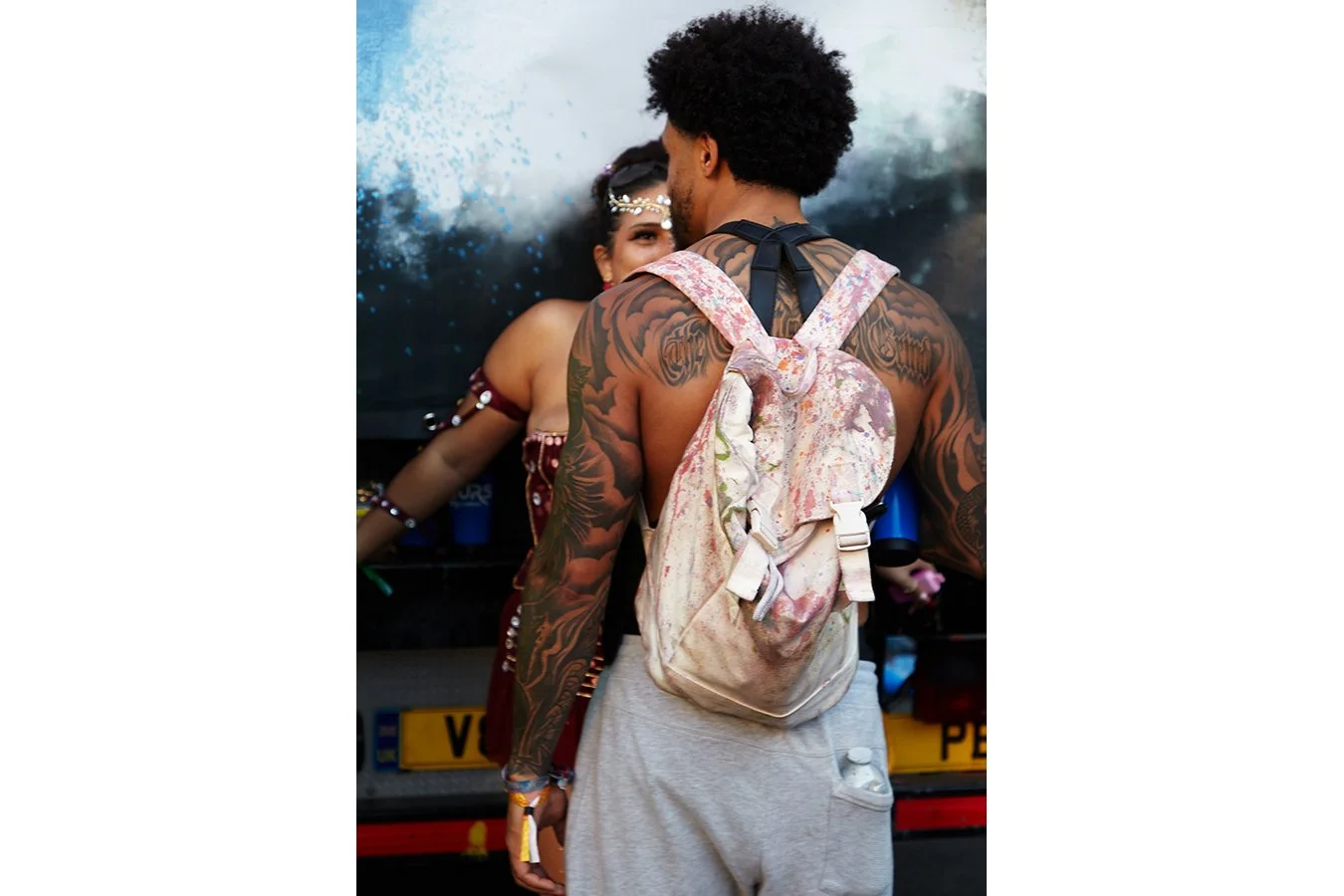
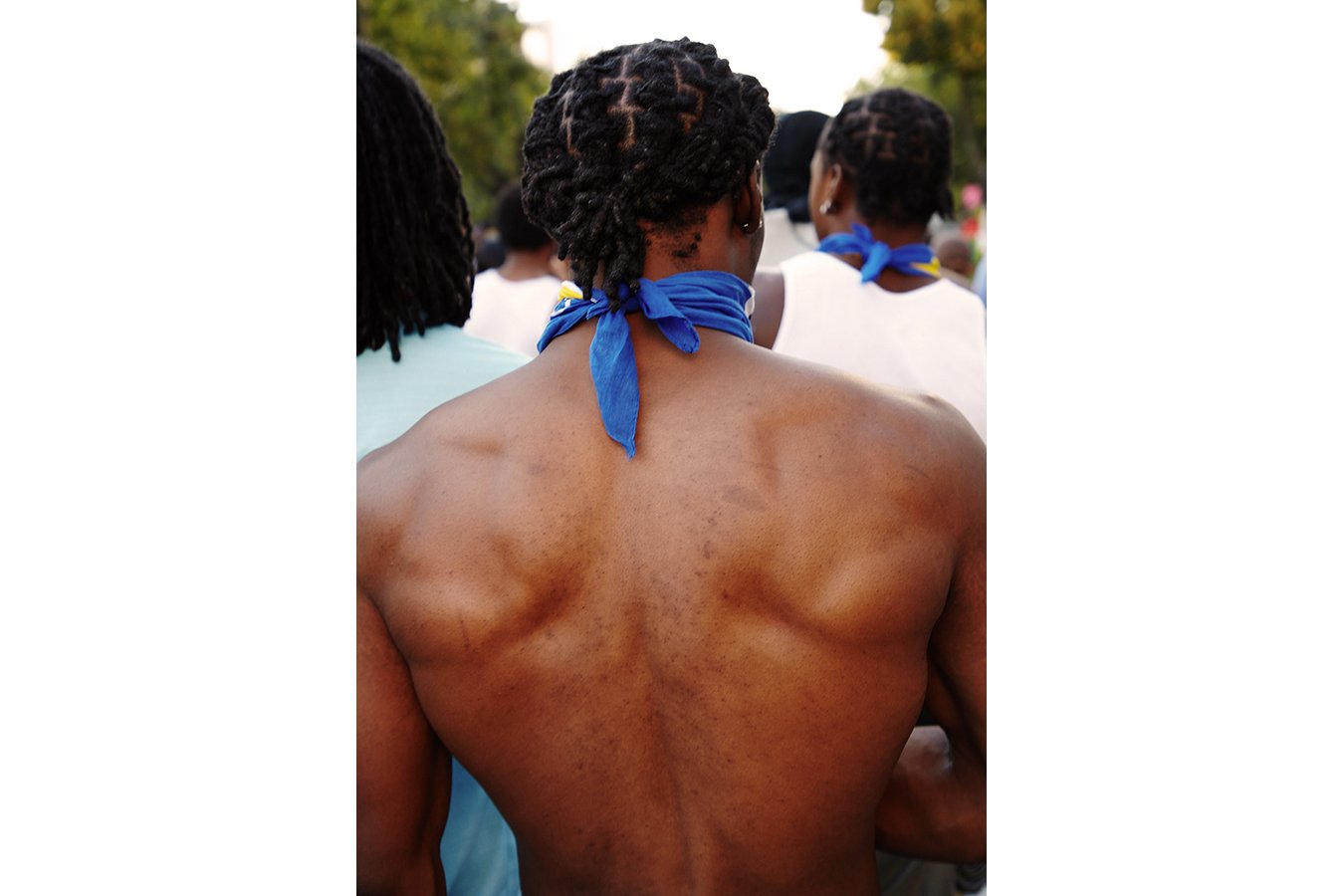
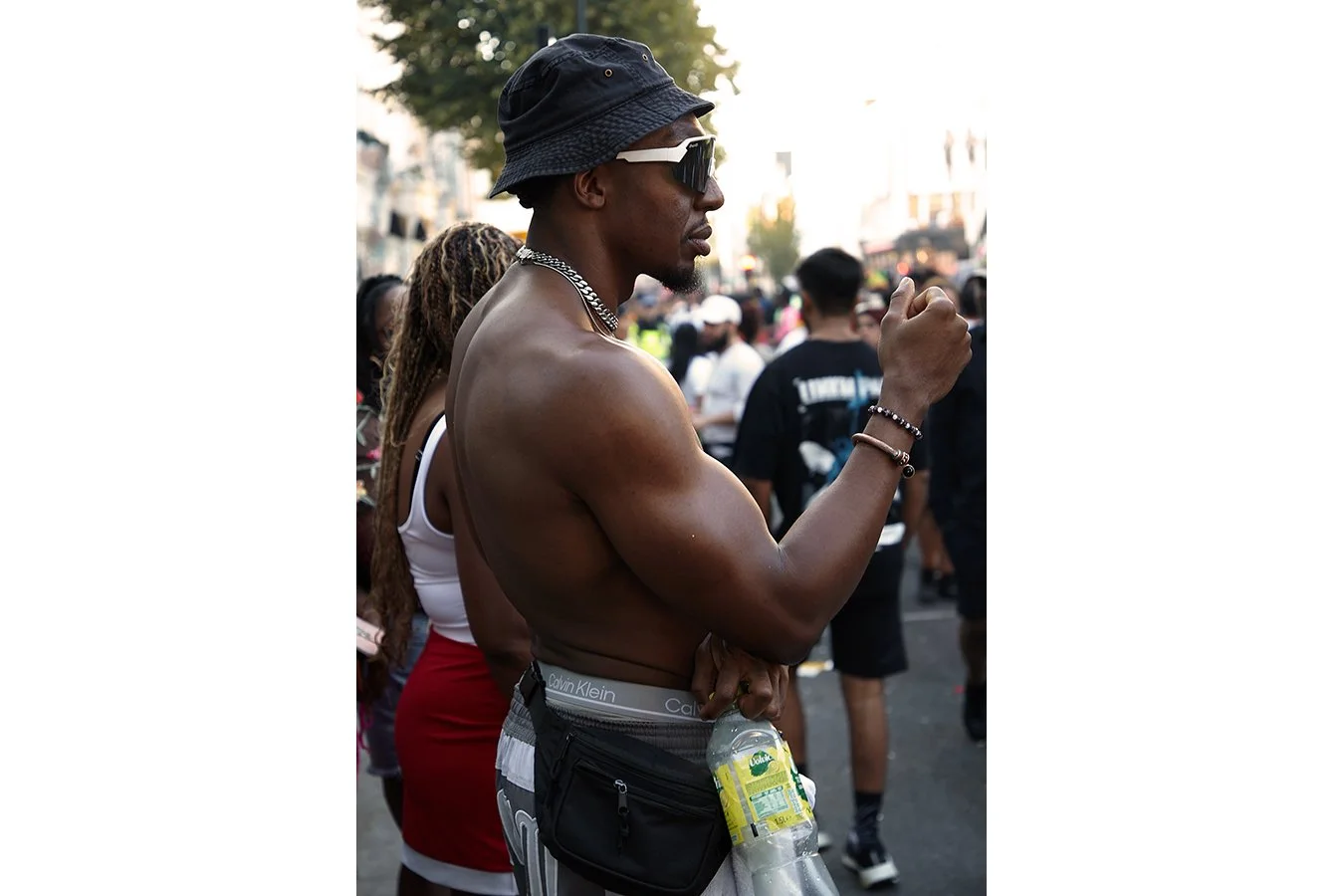
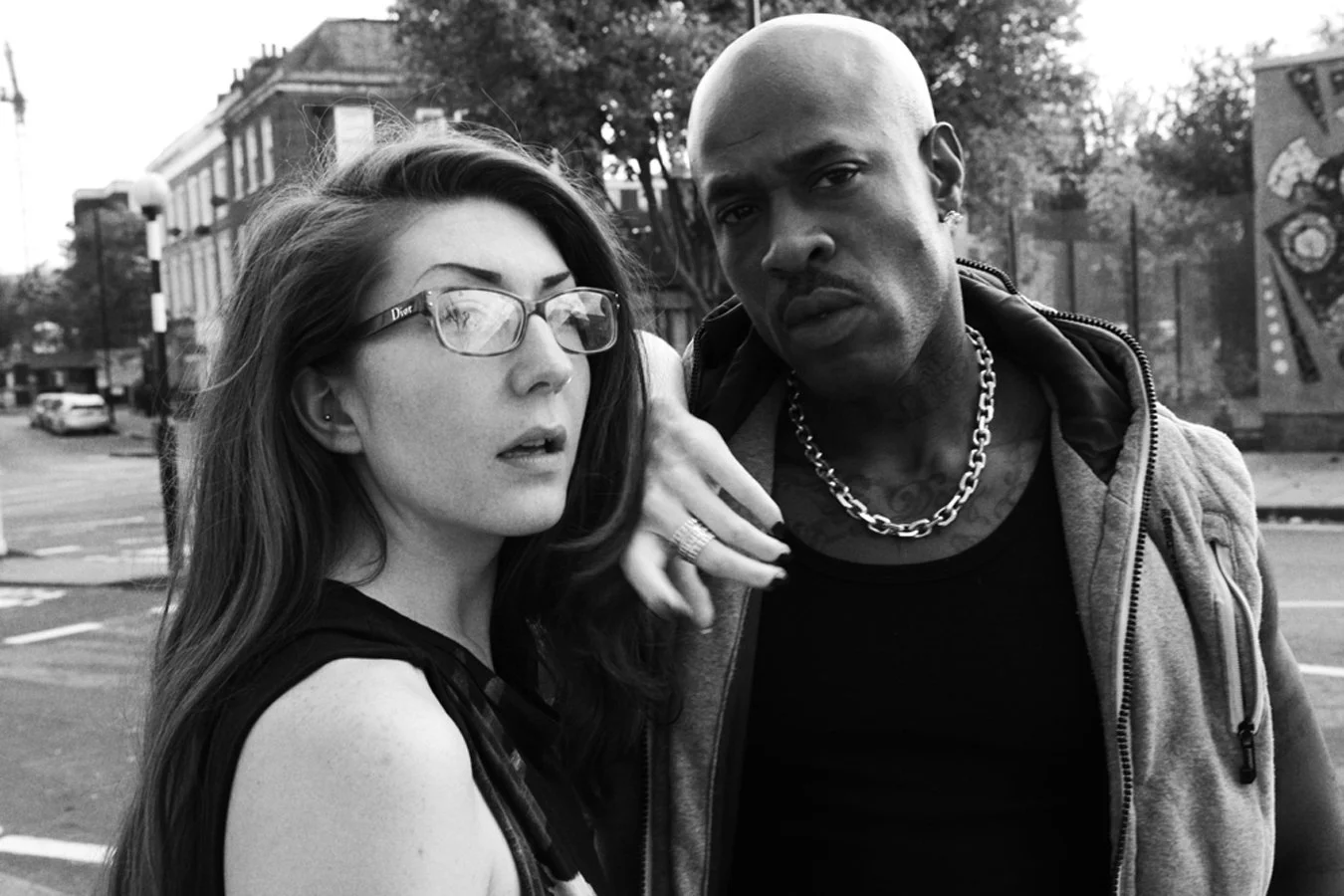
BBC shifts the focus from private encounters to the public spaces where the same mythologies continue to circulate.
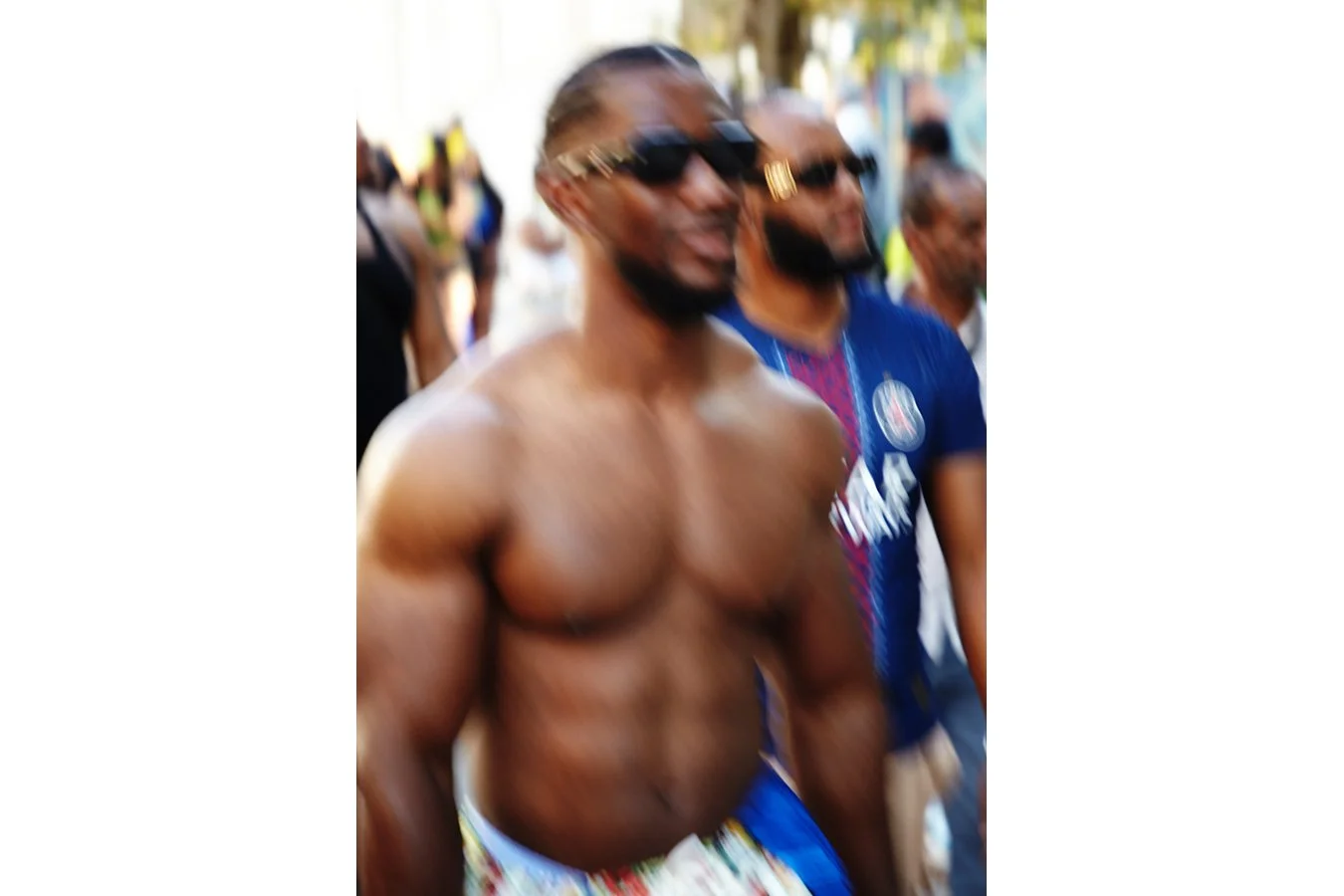
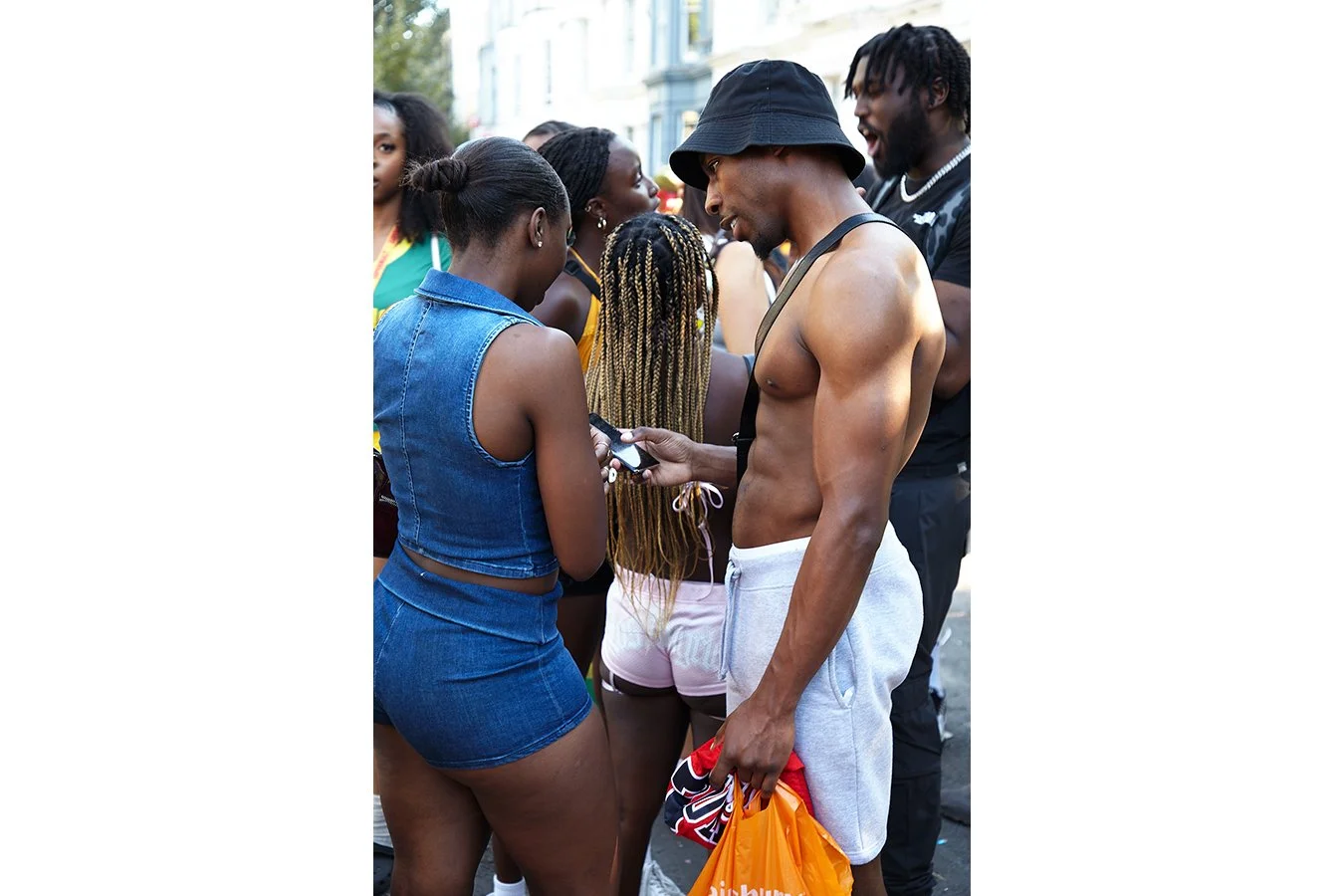
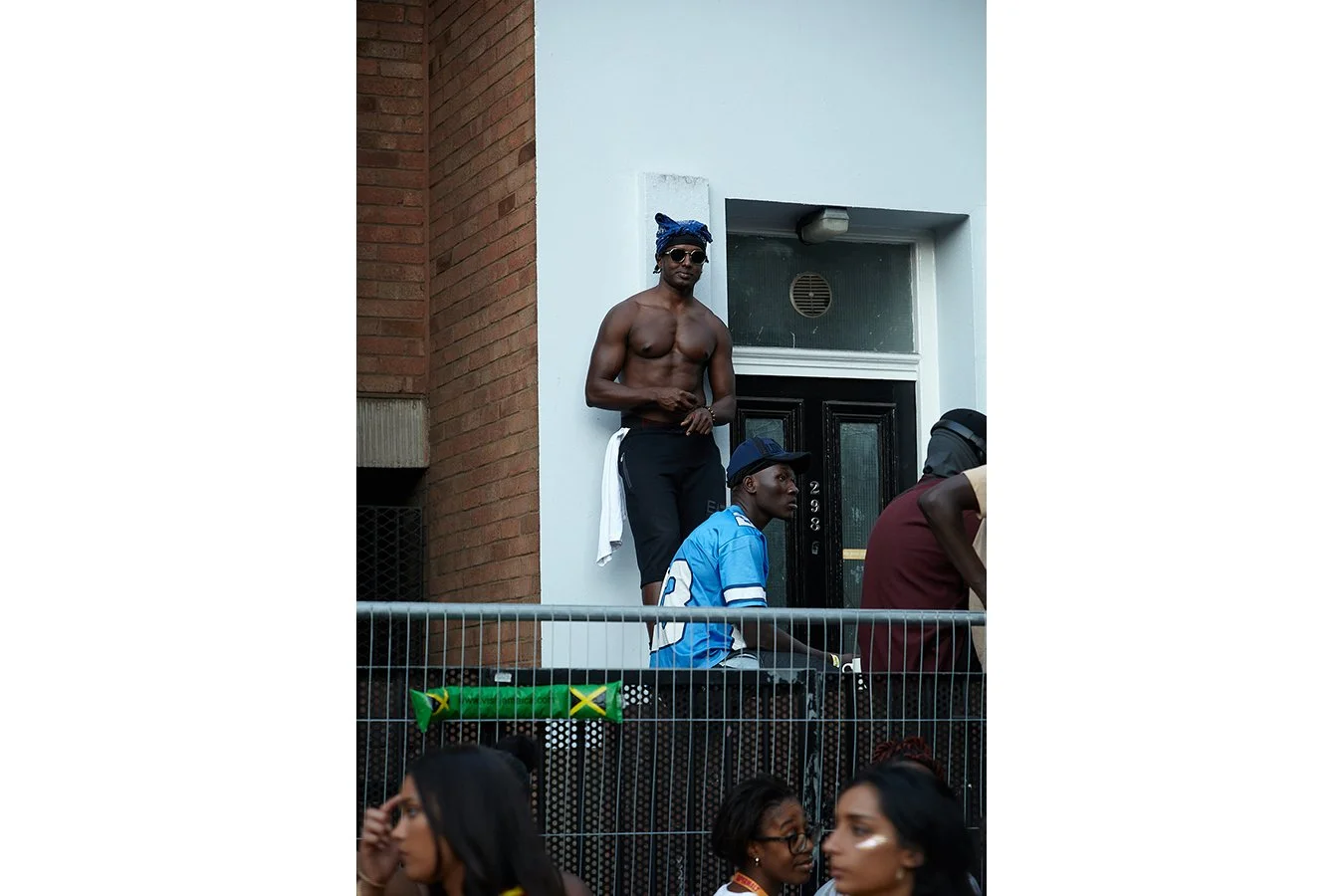
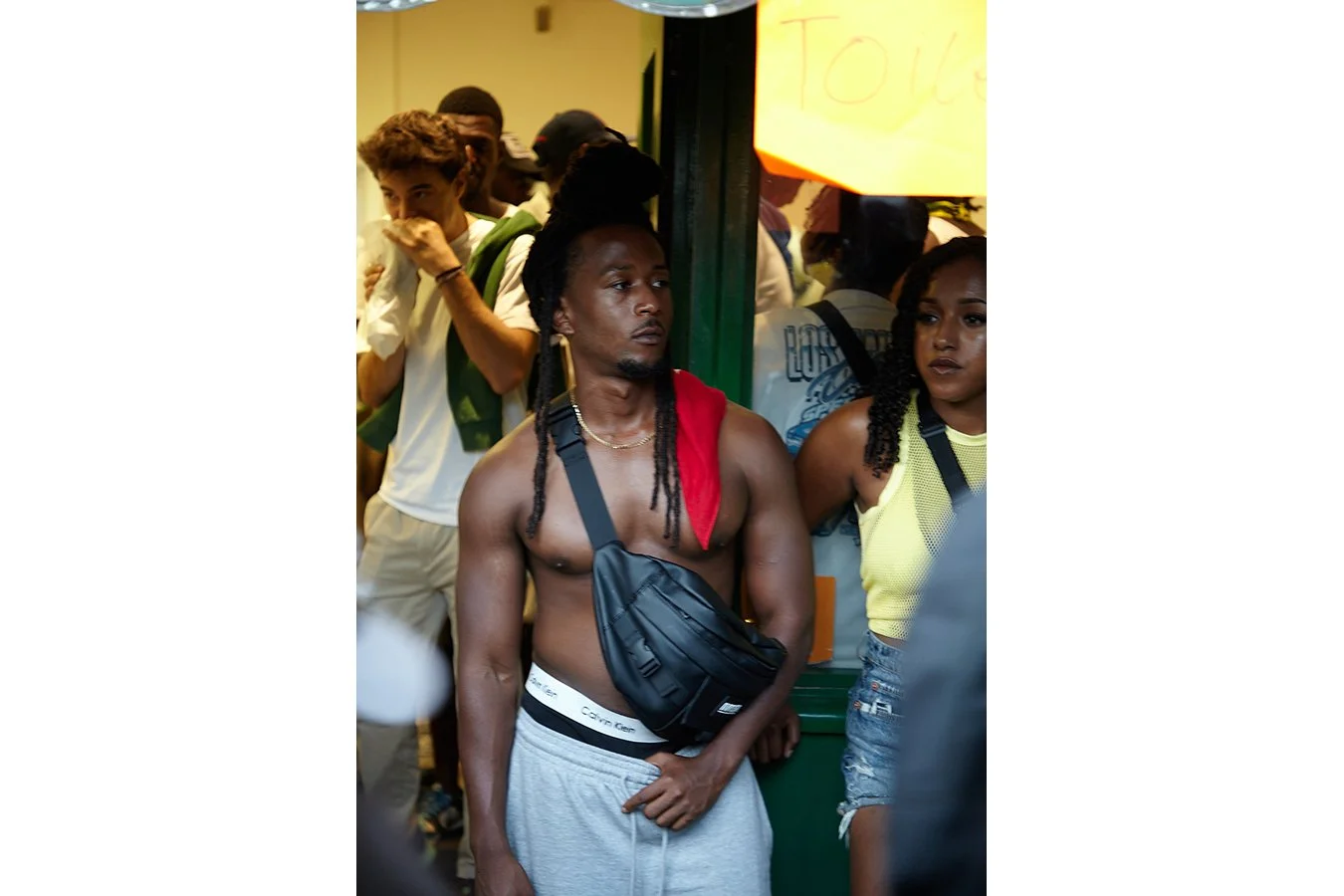
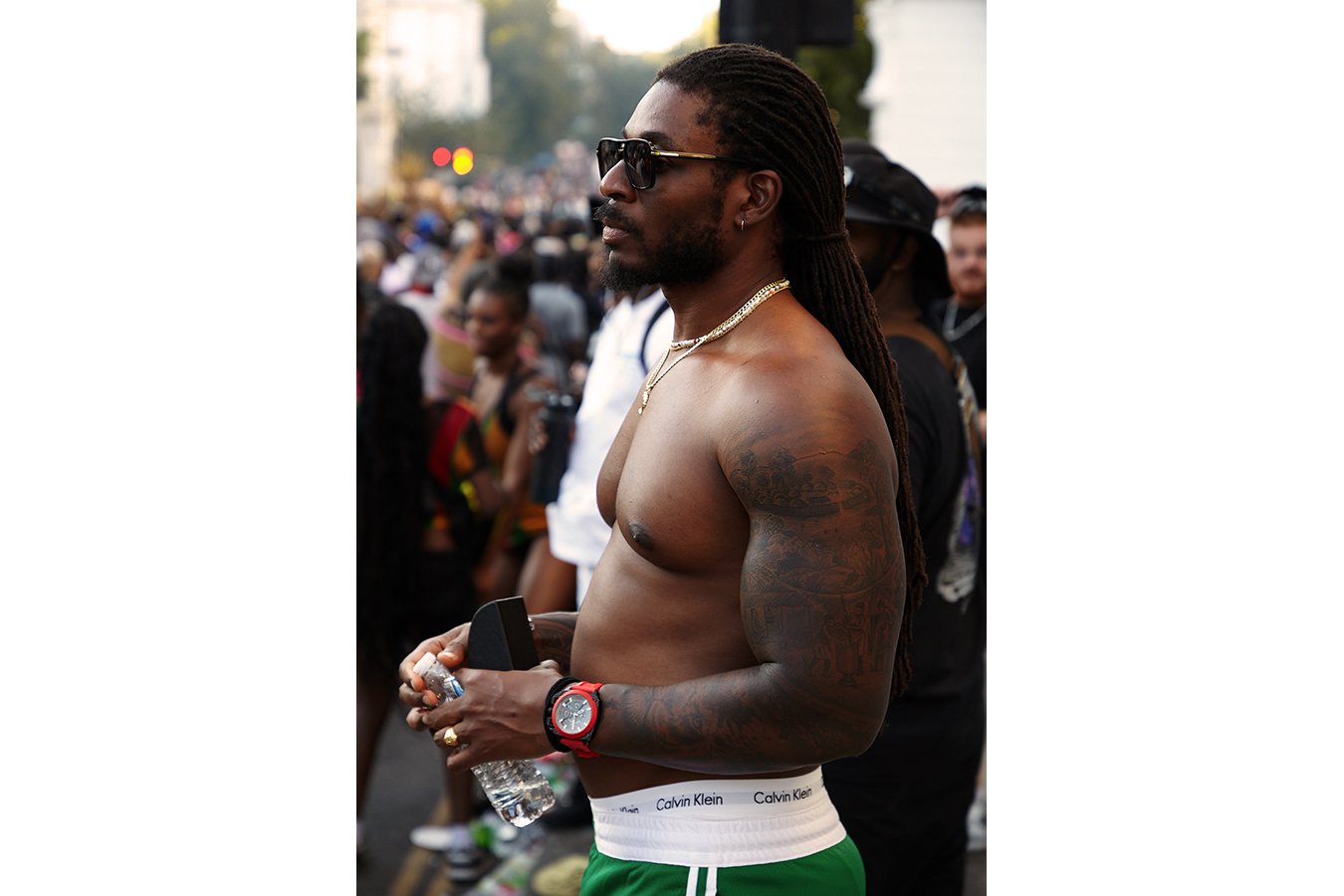
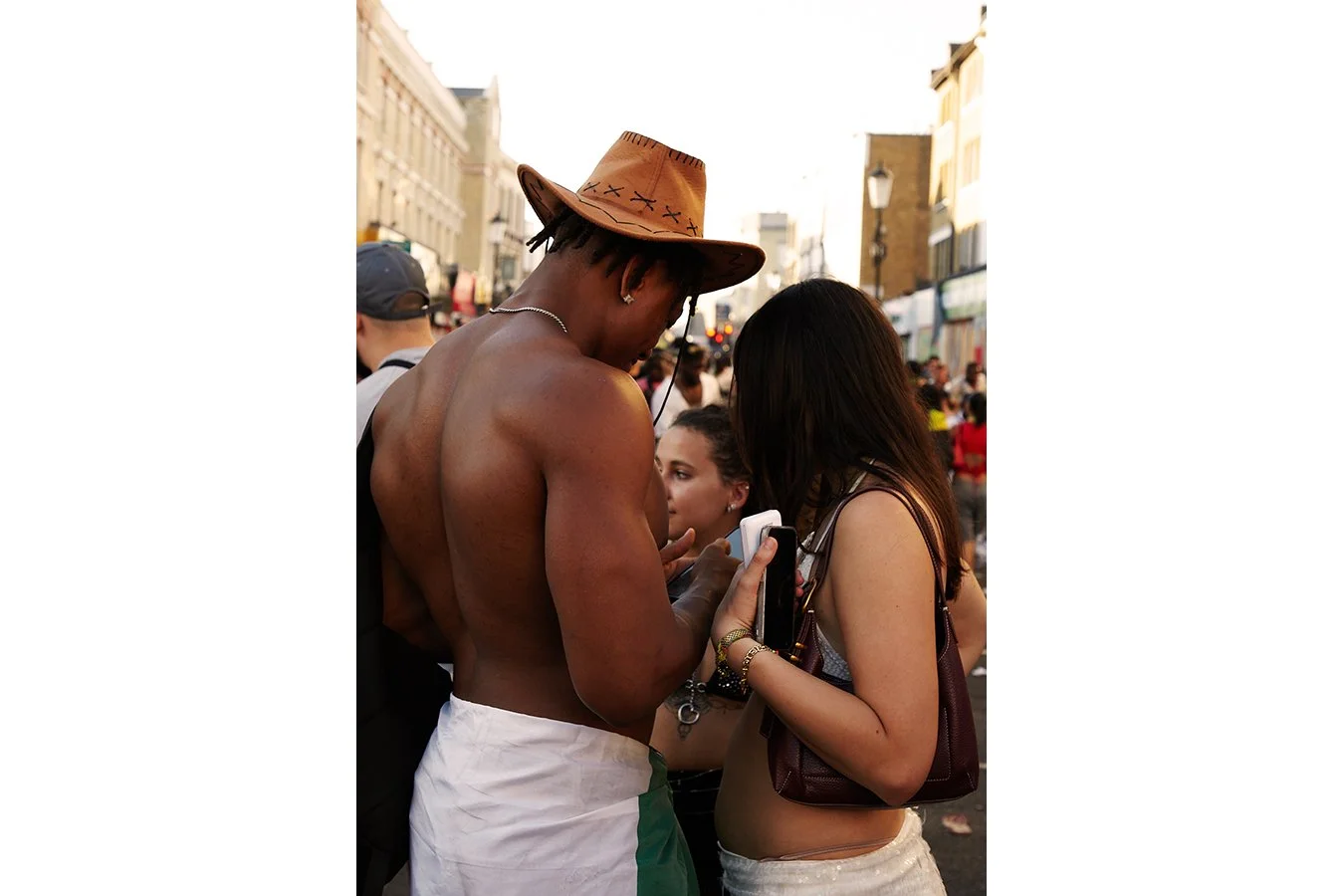
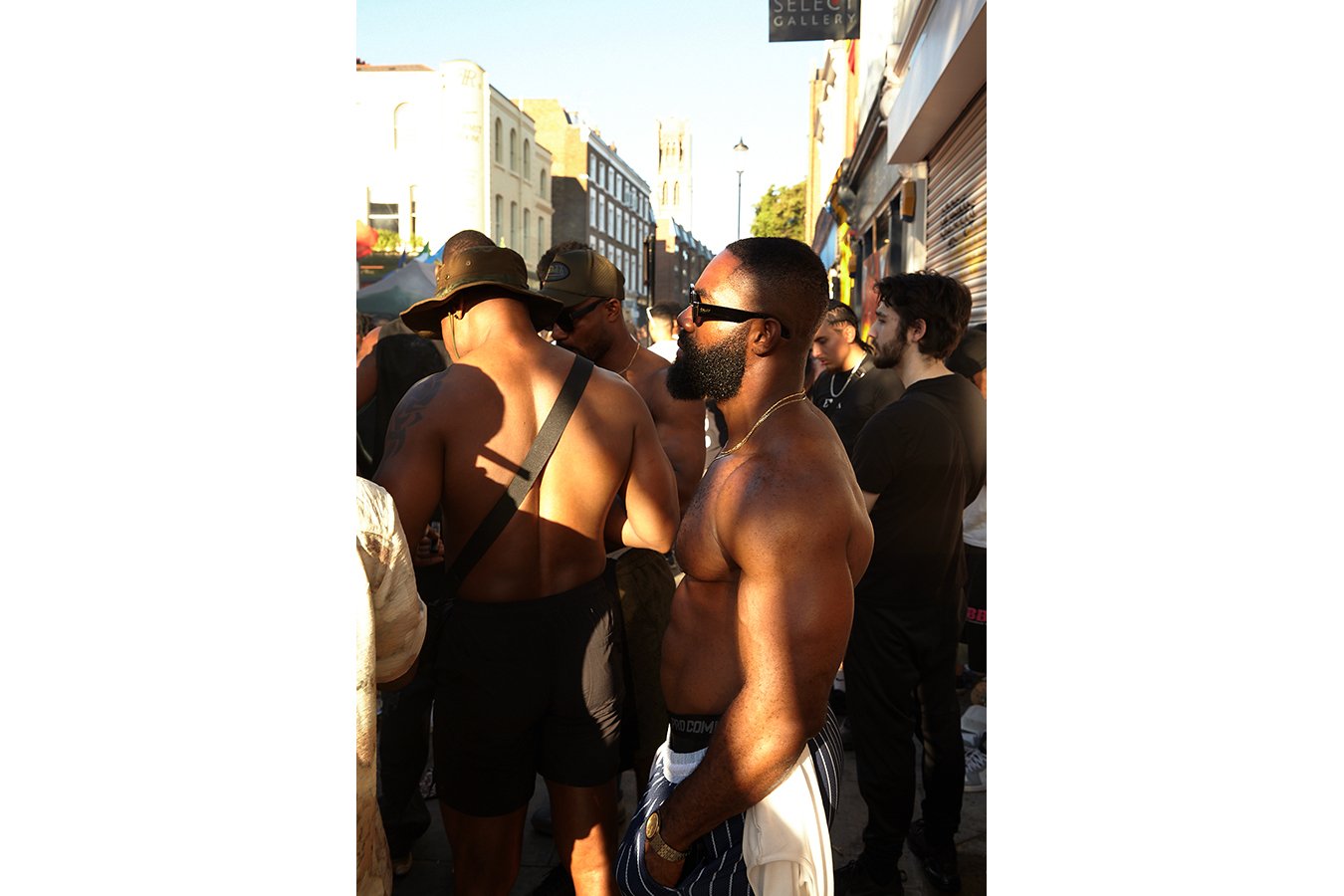
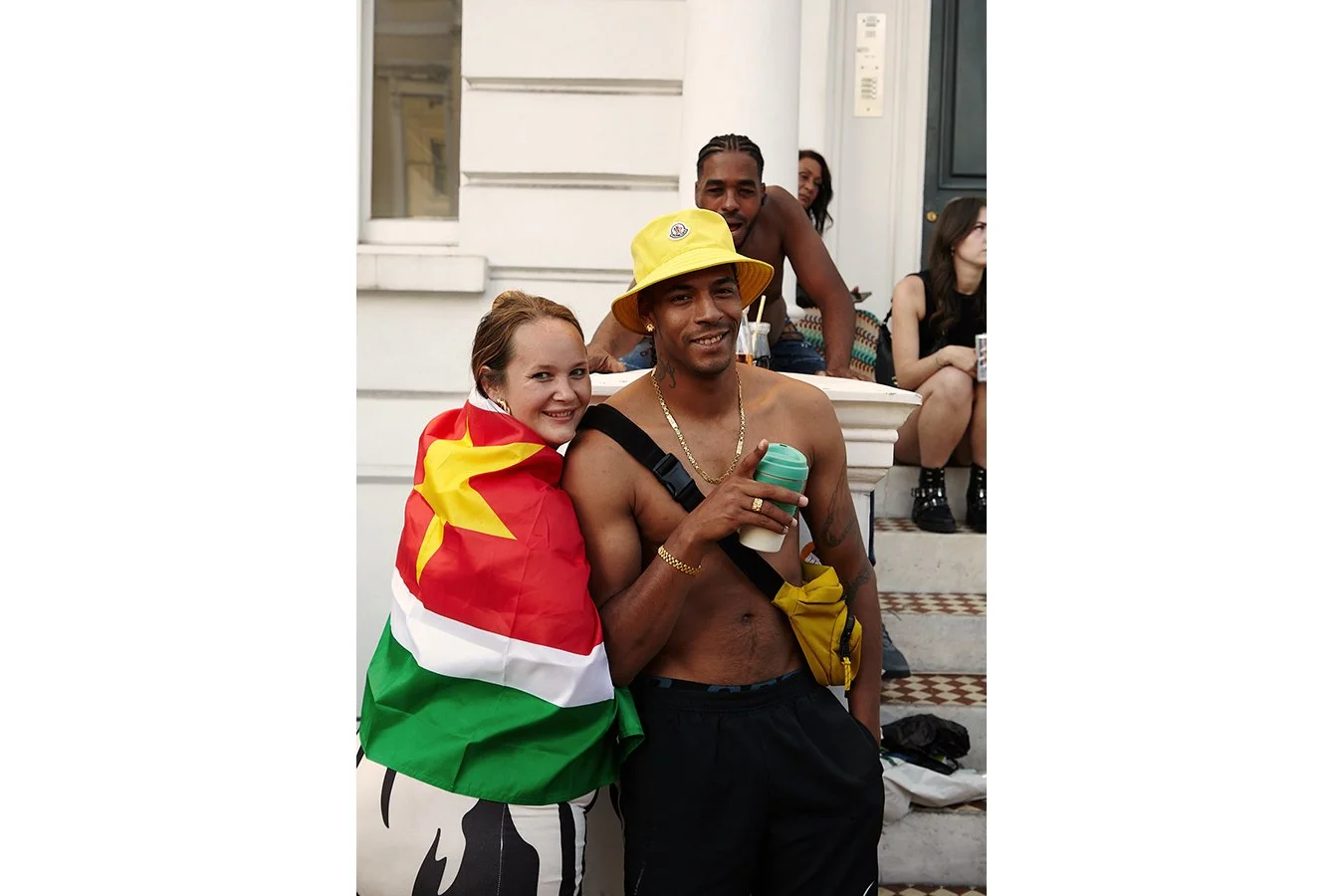
Since slavery and colonialism, the Black male body has been positioned as spectacle — desired, feared, and fetishised in equal measure. In contemporary Western society these historical narratives continue to echo through everyday environments: festivals, nightclubs, carnival routes. These are spaces where the body becomes highly visible, where expectations surrounding masculinity, sexuality, and performance converge — and where Black men, more than any other group, often find themselves inhabiting roles shaped by social projection rather than personal choice.
The photographs in BBC are documentary in appearance but sociological in intent. They capture moments where self-expression, stereotype, and agency overlap — where the line between freedom and performance, between pleasure and expectation, becomes difficult to locate.
Where Sensi reconstructs private encounters shaped by fantasy, BBC observes how those same cultural narratives surface in everyday life — revealing that what happens behind closed doors and what happens in public space are part of the same continuous story.
Together the two series form a sustained investigation into how projection becomes embodied experience.