Public Bodies
Project Overview
Sensi and BBC (Public Bodies) are two interlinked photographic series exploring the construction, consumption, and contestation of Black male sexuality in the West.
Both projects interrogate how Black masculinity has been mythologised — through pornography, popular media, and centuries of racial fantasy — and how those myths continue to shape the ways Black men are seen, desired, and judged. These inherited narratives are not just visual stereotypes; they are scripts that continue to influence everyday performances of identity, from the private spaces of intimacy to the public stage of celebration.
Across both series, the Black male body becomes a site of projection and resistance — both subject and object, eroticised and politicised. Together, Sensi and BBC examine what happens when that body is made visible on its own terms, complicating the gaze, reclaiming pleasure, and exposing the thin line between performance and personhood.
Sensi Photography Project
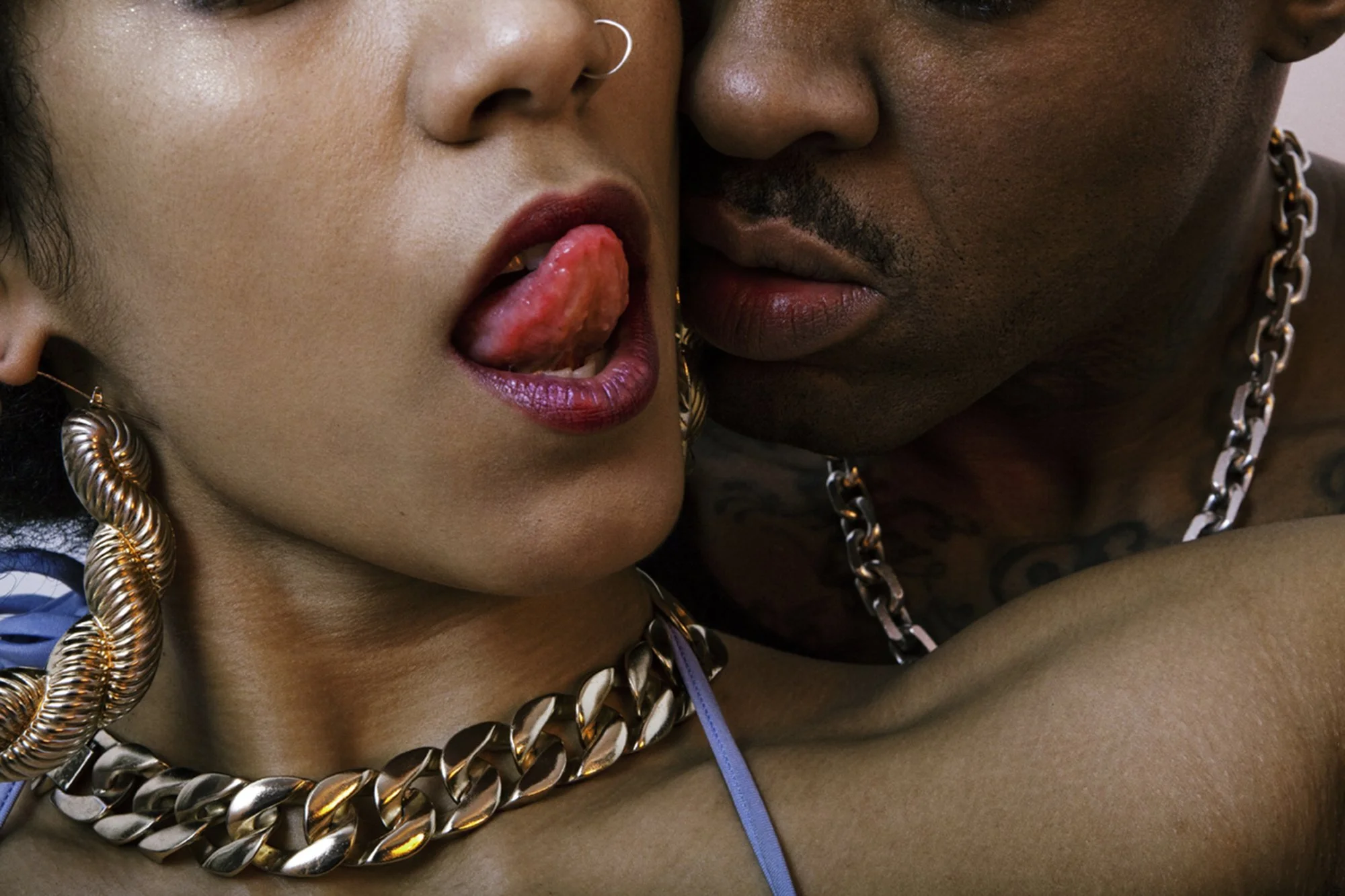
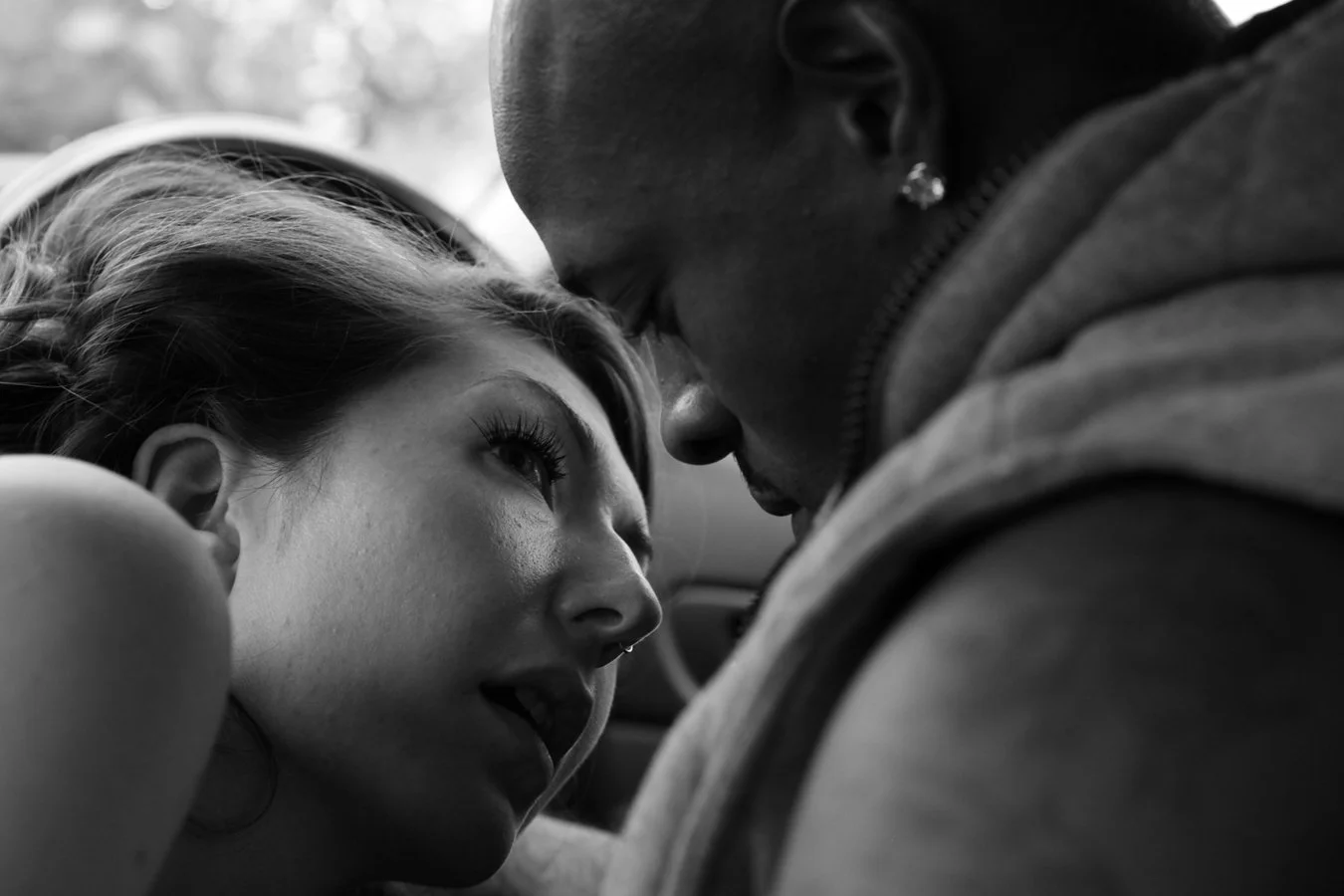
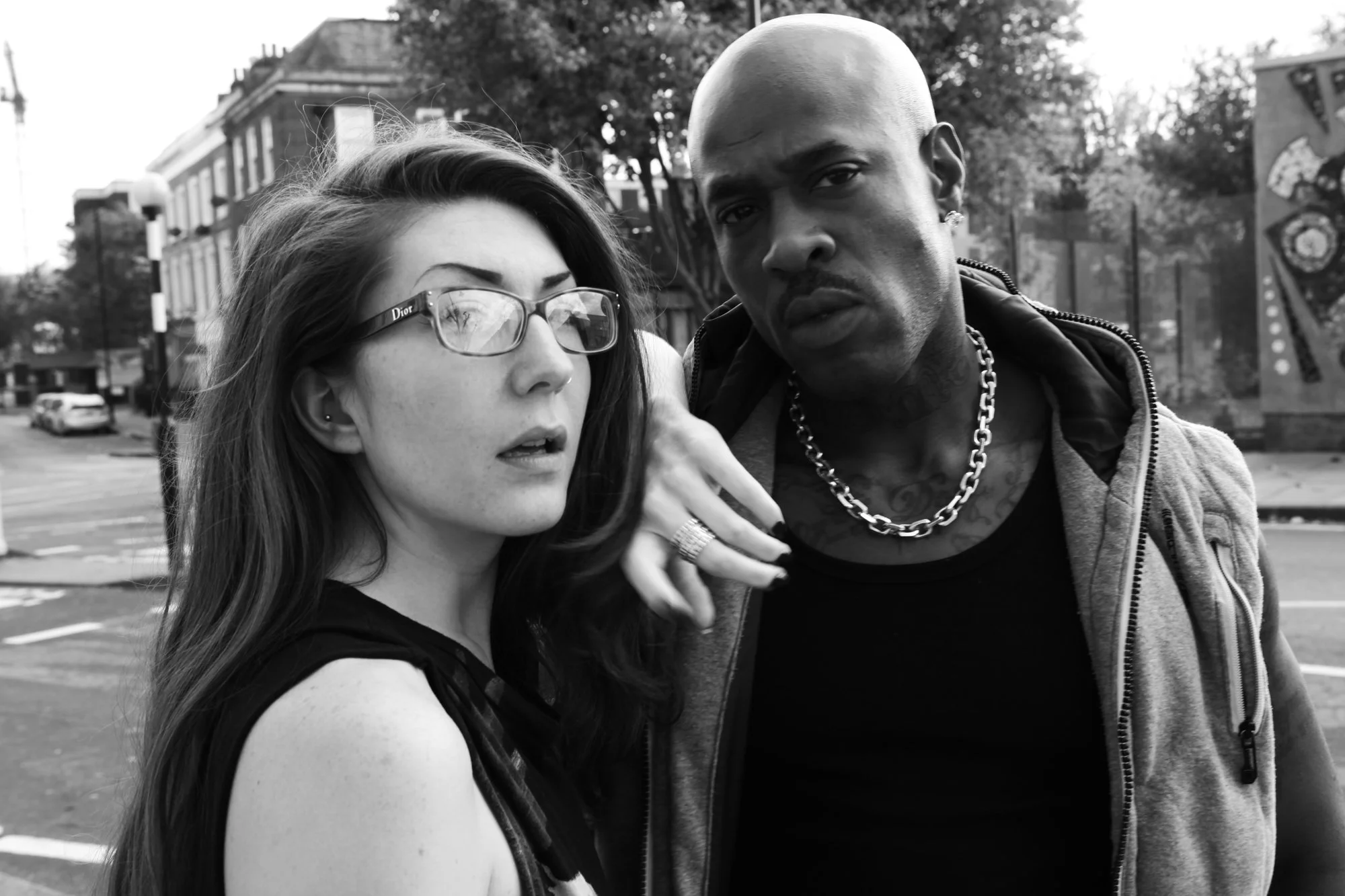
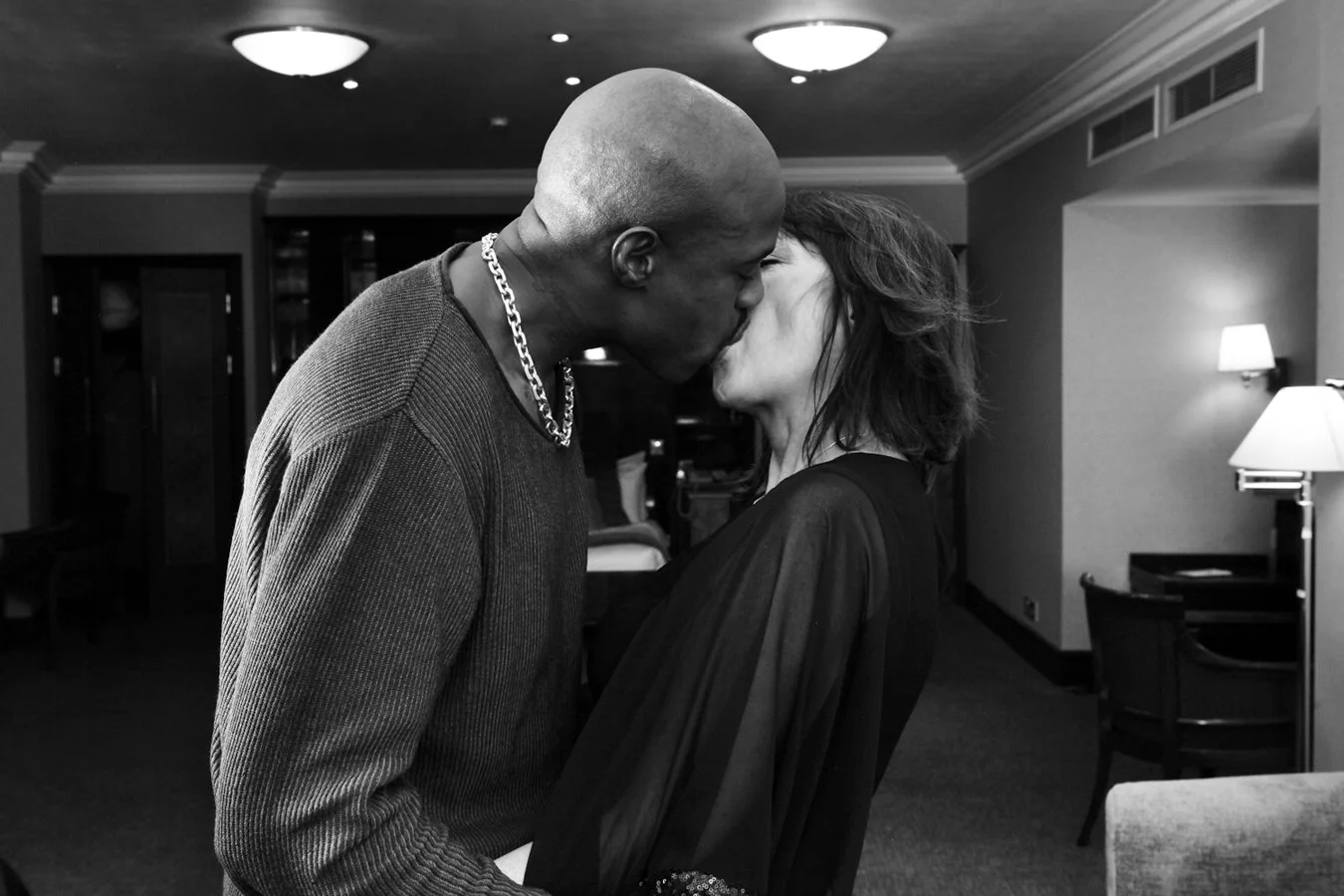
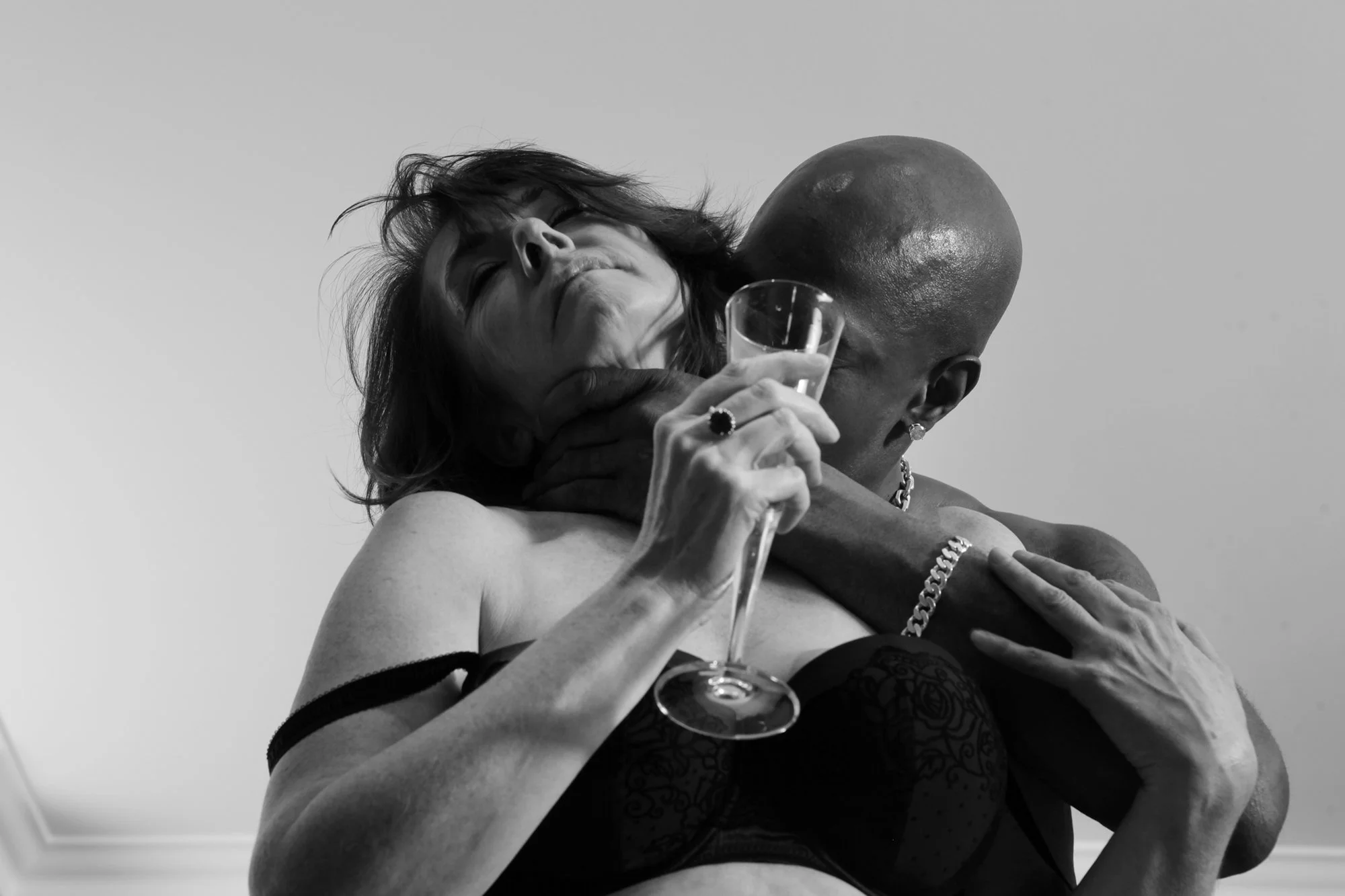
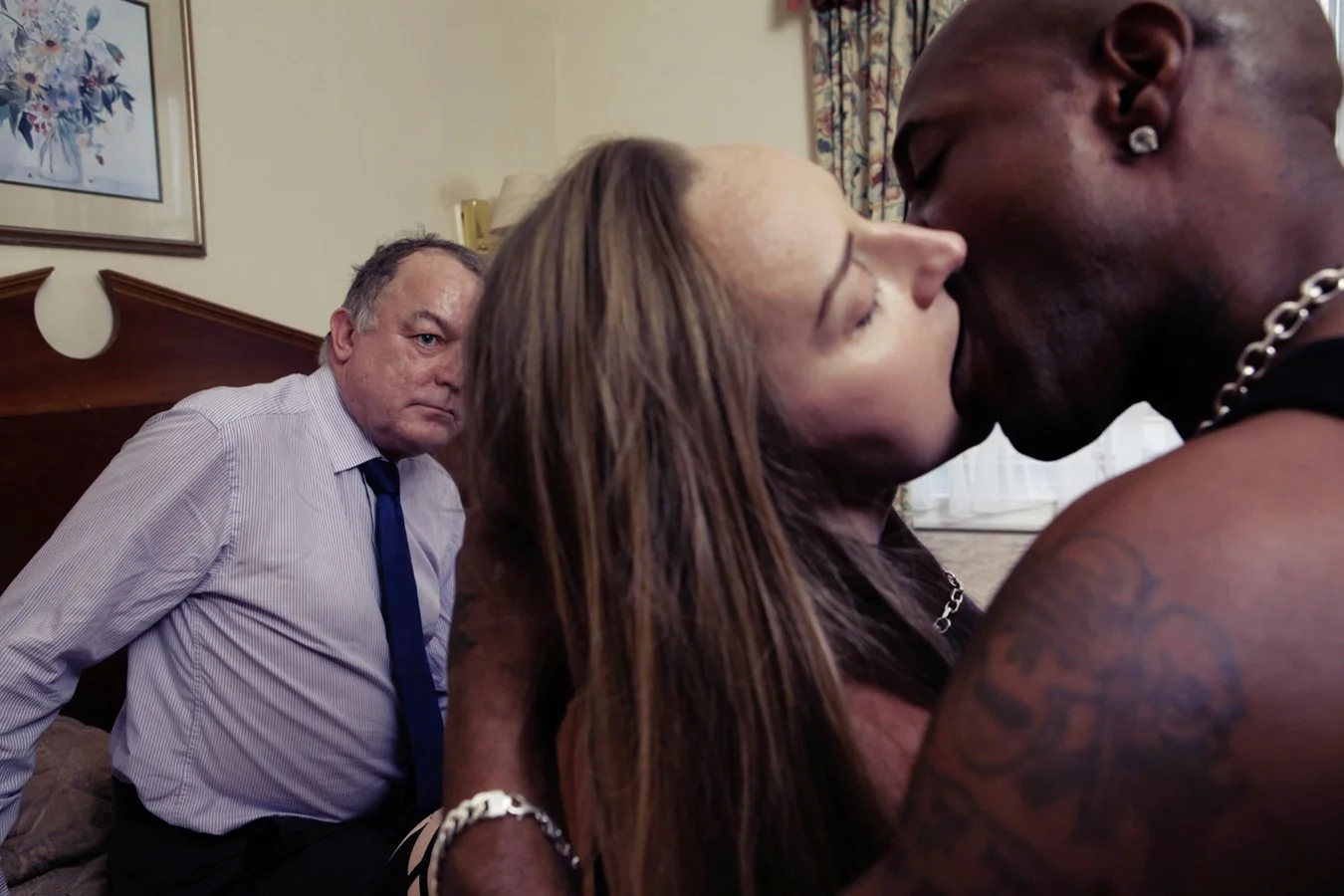
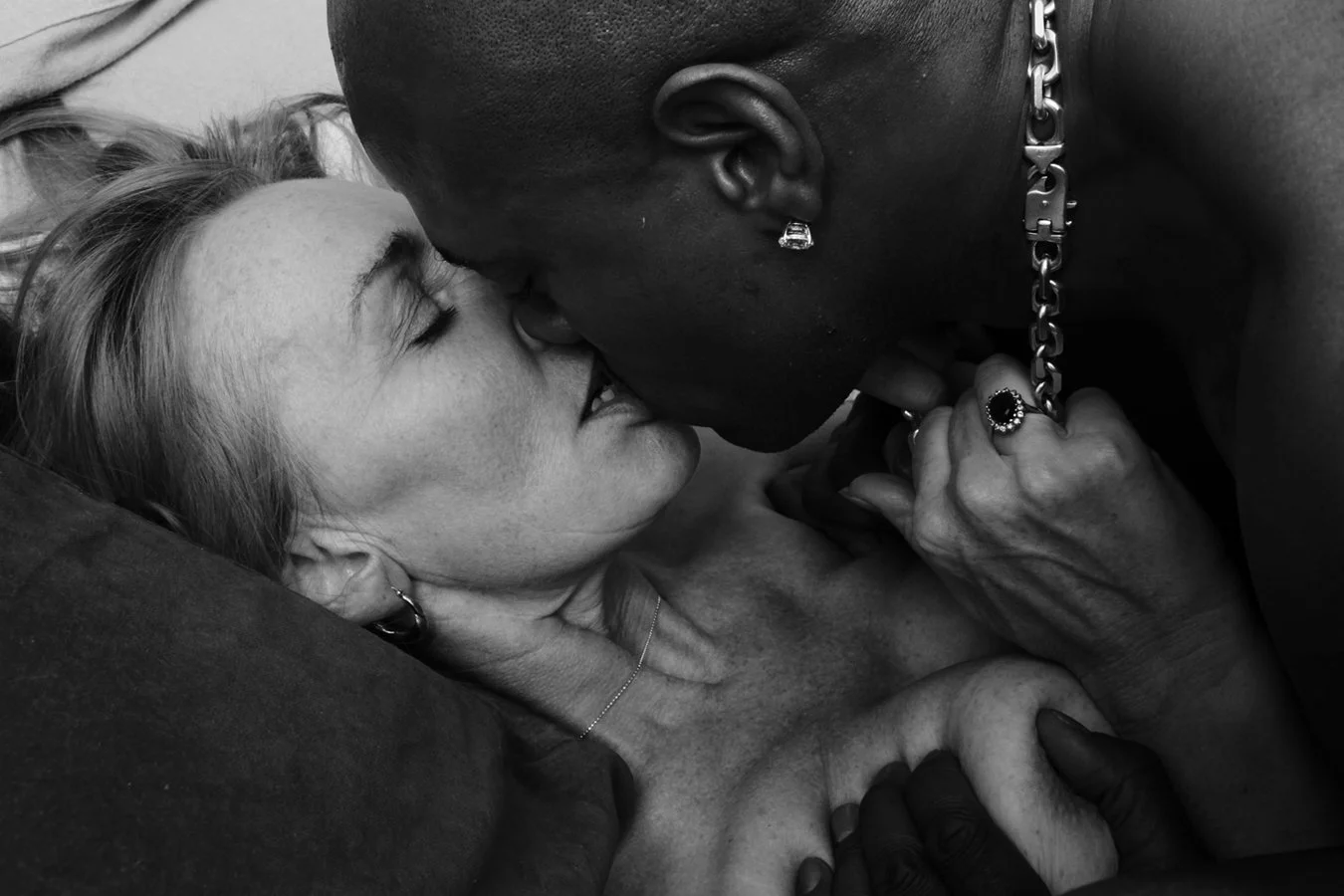
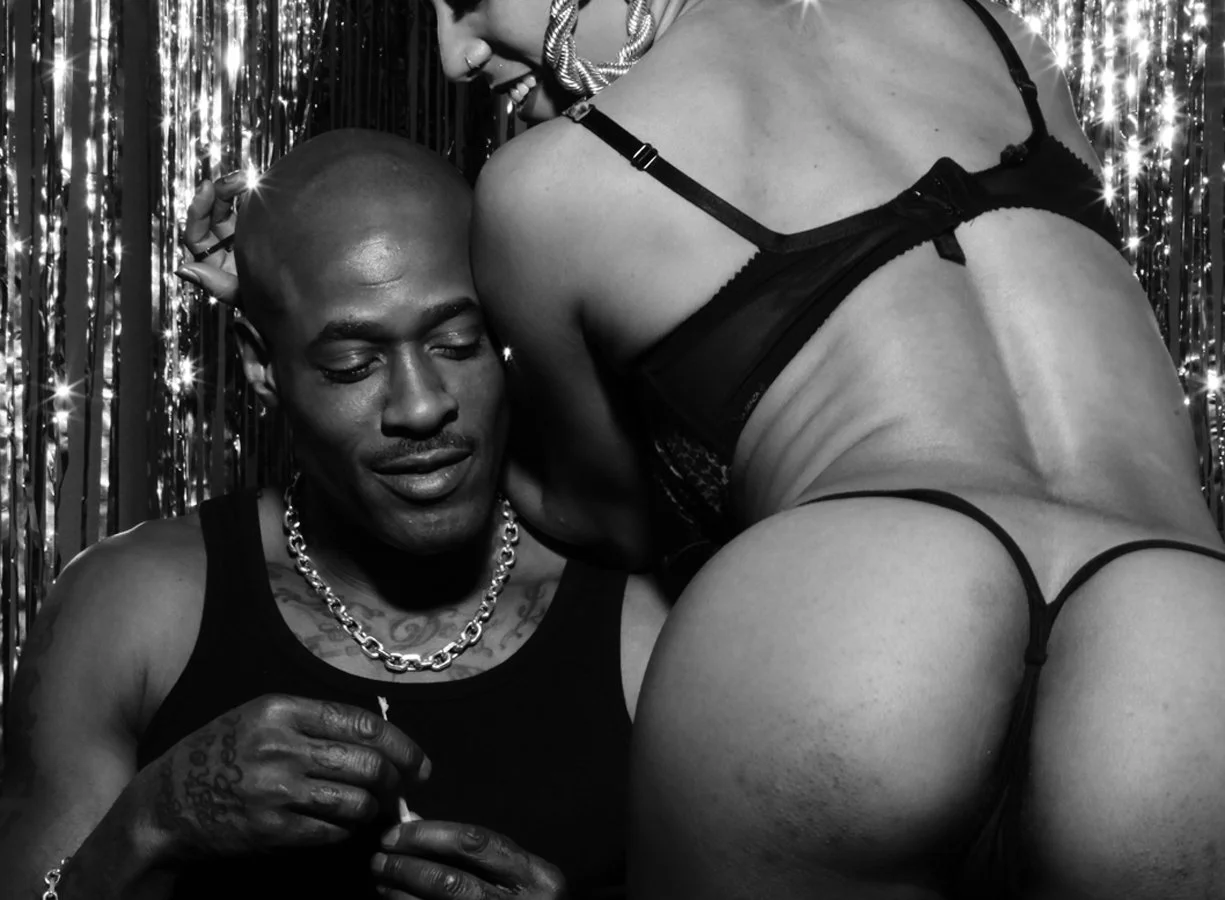
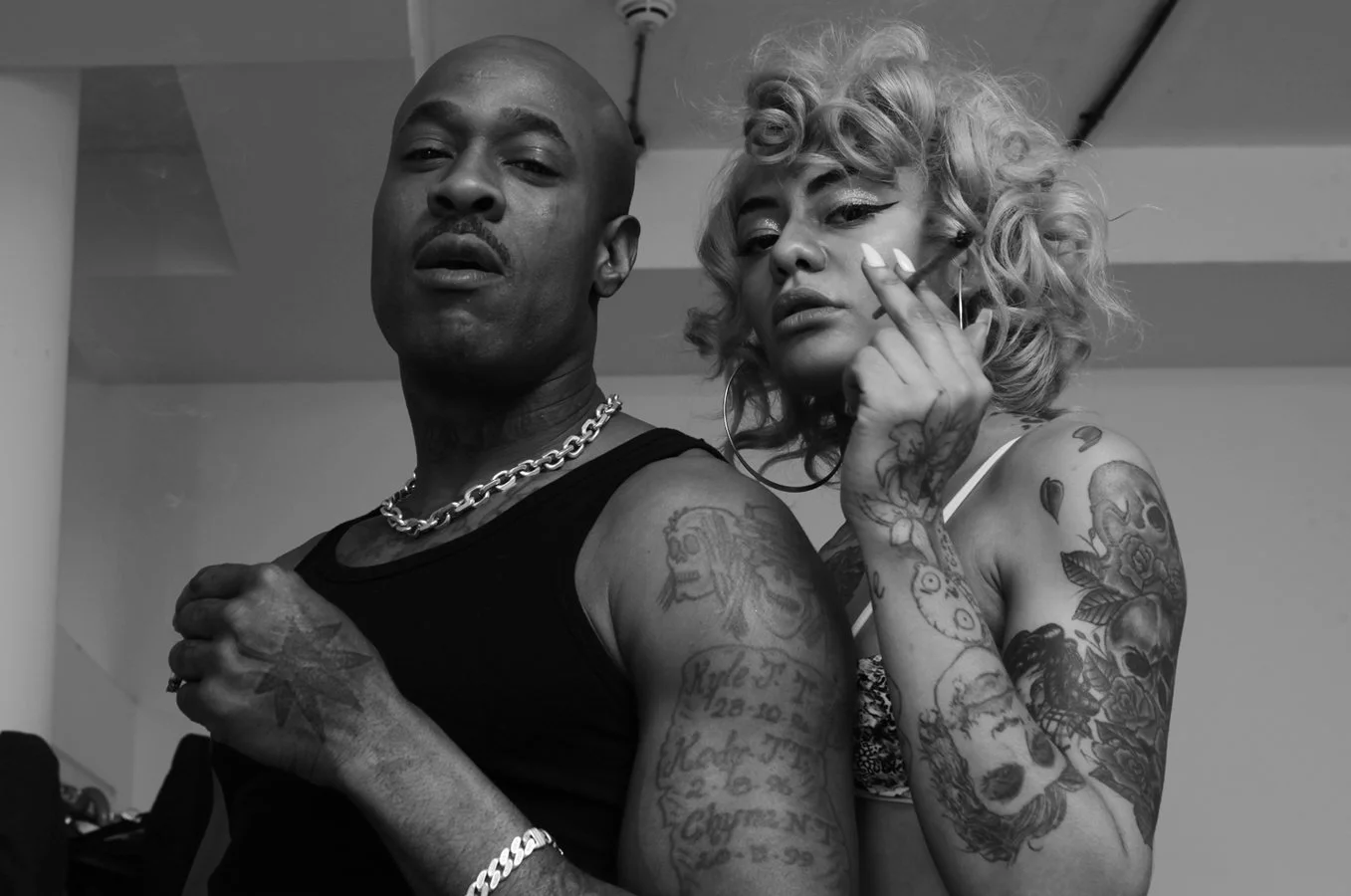

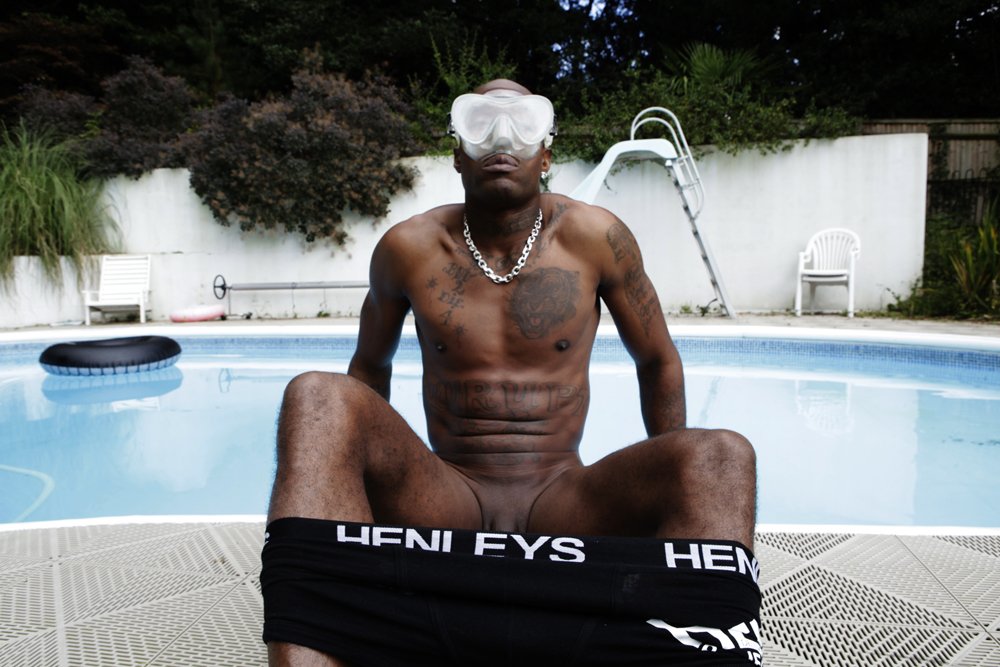
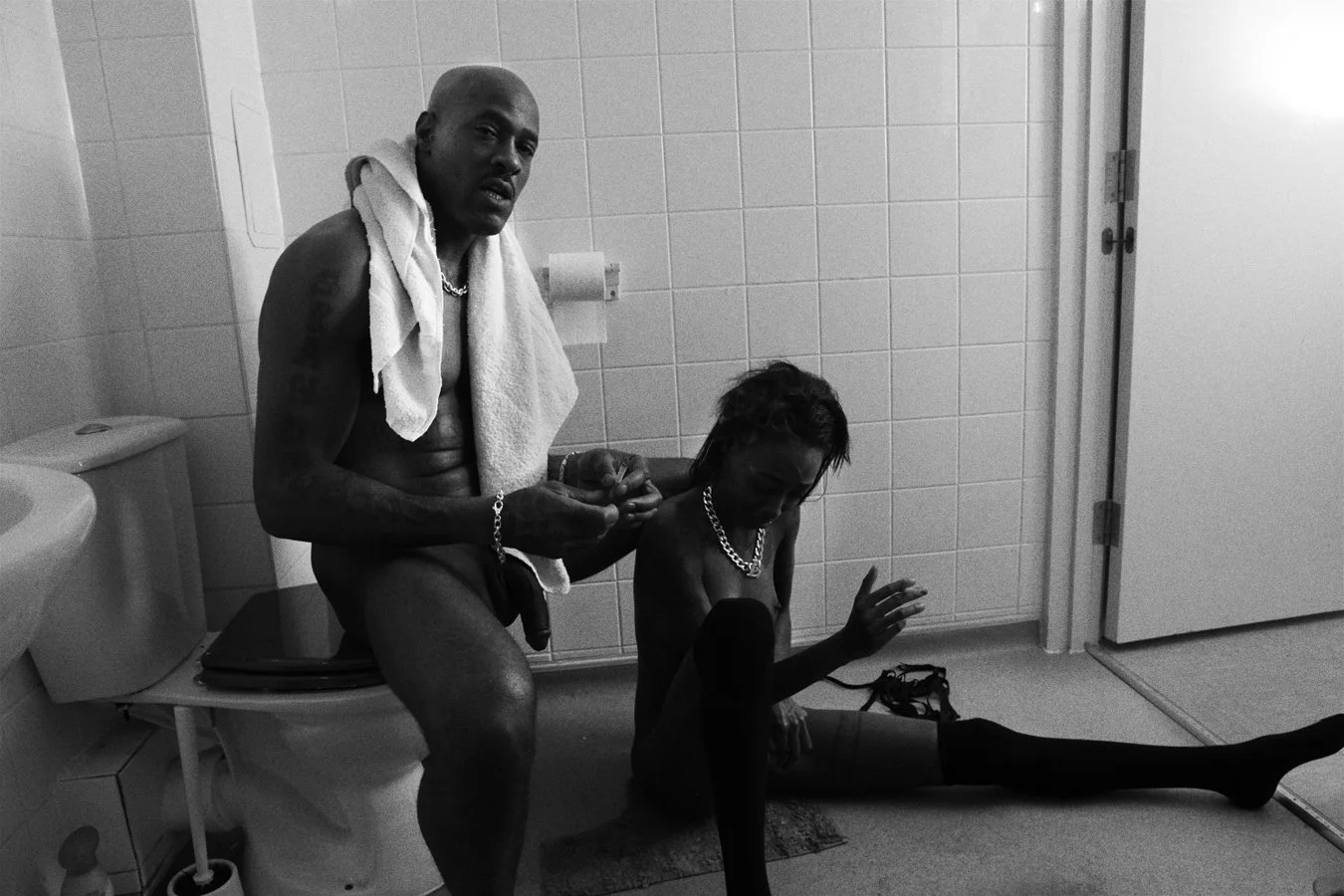

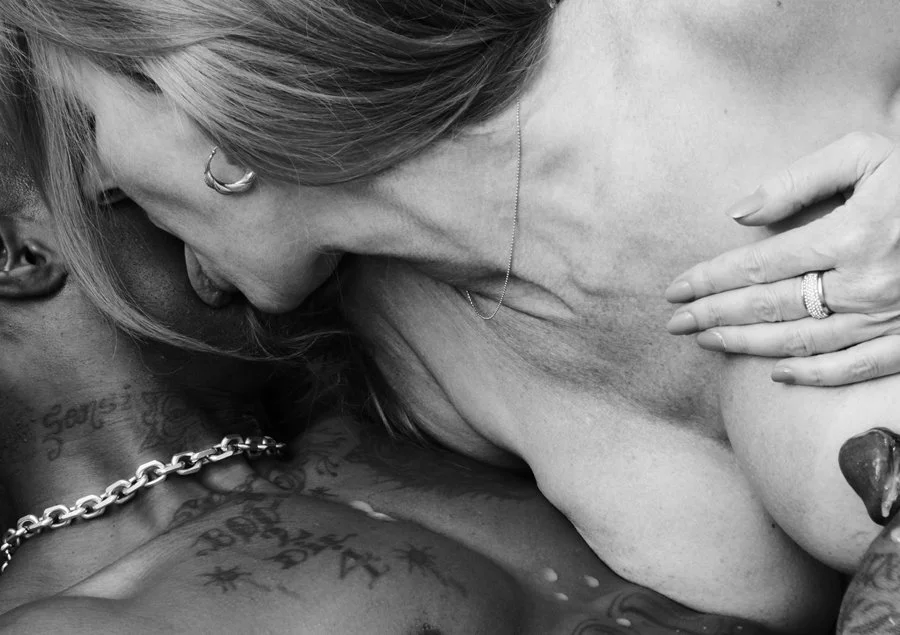
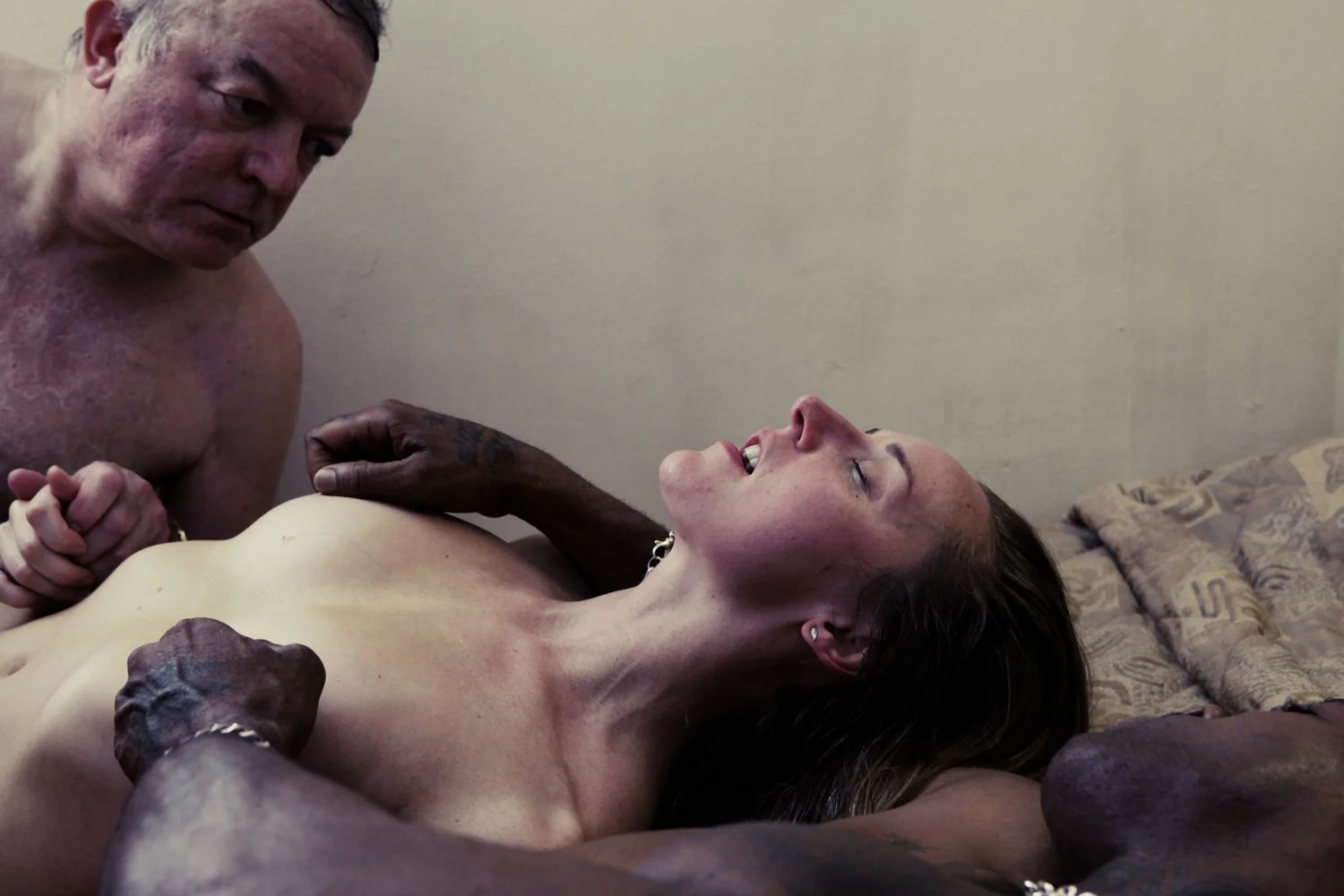
“Sensi" is an exploration of some of the taboos and fantasies that are associated with the black male sexuality and masculinity in Western culture.
Since the dawn of western civilisation sexuality has been linked to fantasies of domination. Black Africans entered this new world where sadomasochistic rituals of dominance, power and play were already embedded in the fabric of sexuality. Domination became synonymous with black masculinity and permeated society's perception of it, being reinforced from one generation to the next. This notion of black masculinity has become imbedded in the Western idea of it and has come to influence how black males themselves see their own sexuality and how they express it.
This culture, fuelled by the mainstream media, has made black male sexuality and the black penis both a curiosity and a taboo. Black males having multiple female partners is perceived and accepted to be the norm. All of these attitudes and ideas fan the flames of sexual fantasies.
Interracial pornography has become increasingly popular among white male viewers. Featuring performers of different racial and ethnic backgrounds, it uses ethnic and racial stereotypes in its depiction of performers. The majority of Interracial movies are black male with white female.
Cuckolding has become the thinking-man's fetish of choice in modern pornography and race has its place within that. A cursory glance at cuckolding websites will show you the same dynamic repeated over and over again, which is white husband, white wife with African-American man, or 'mandingo' or 'bull' in cuck slang.
Sensi is an Escort in real life, providing for women and couples exclusively. The scenes in the monograph are reconstructions of moments of his life when he is providing those sexual services. The scenes are reconstructions based not only on his account but also on my own interpretation.
The female performers are women who willingly participated to the project. Some of them are sex workers and the others have no connection with the sex industry.
BBC: Black. Body. Construct.
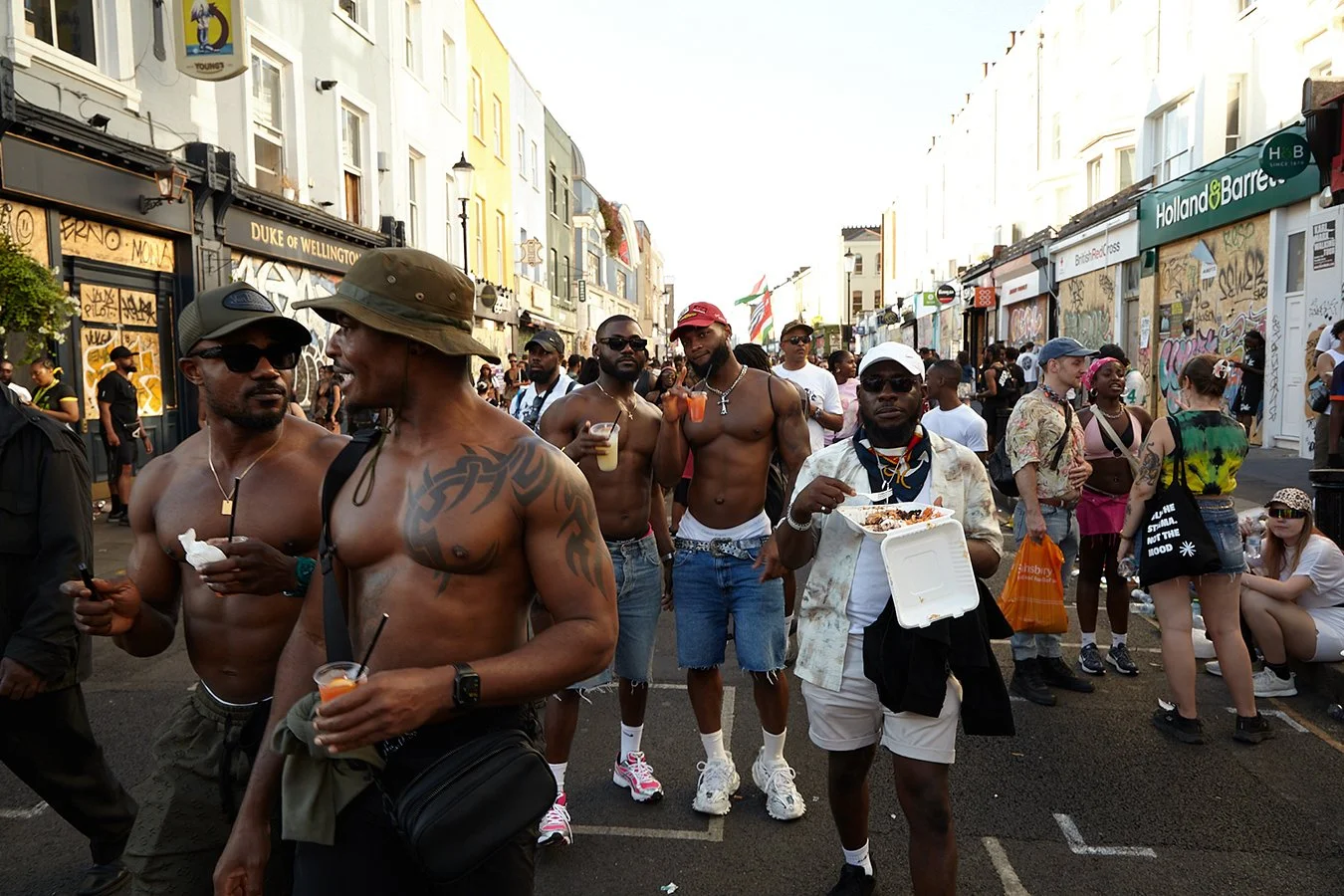

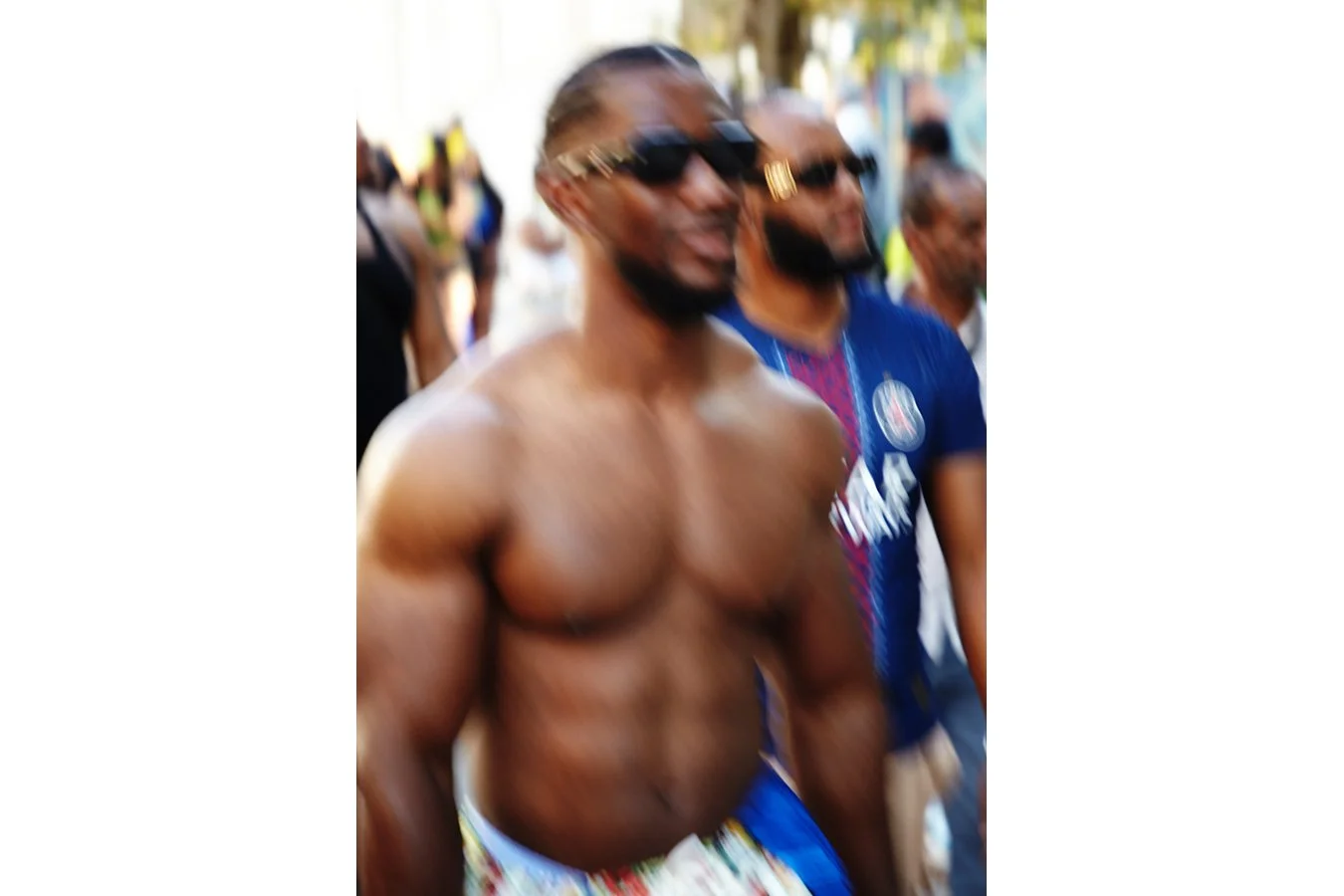
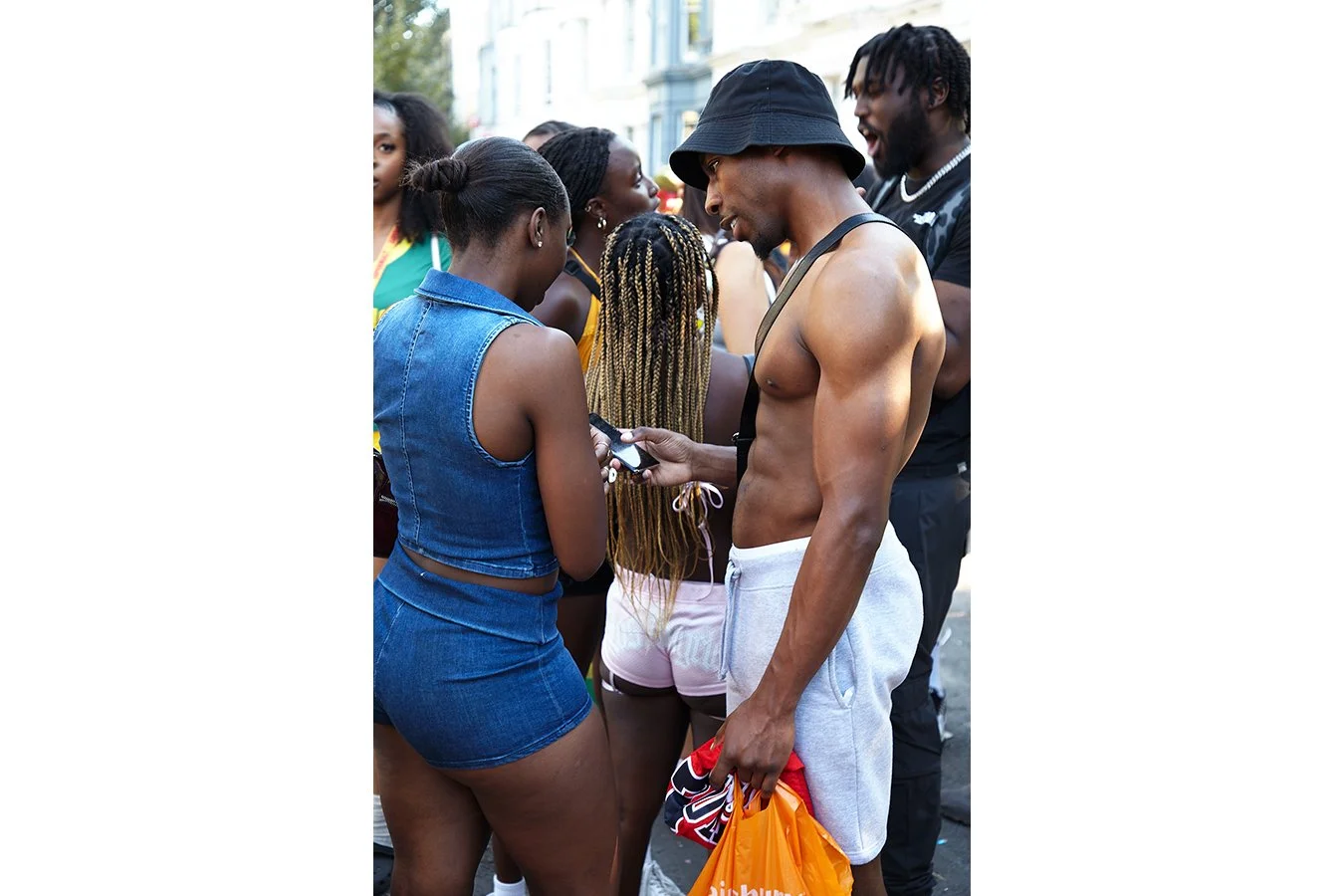
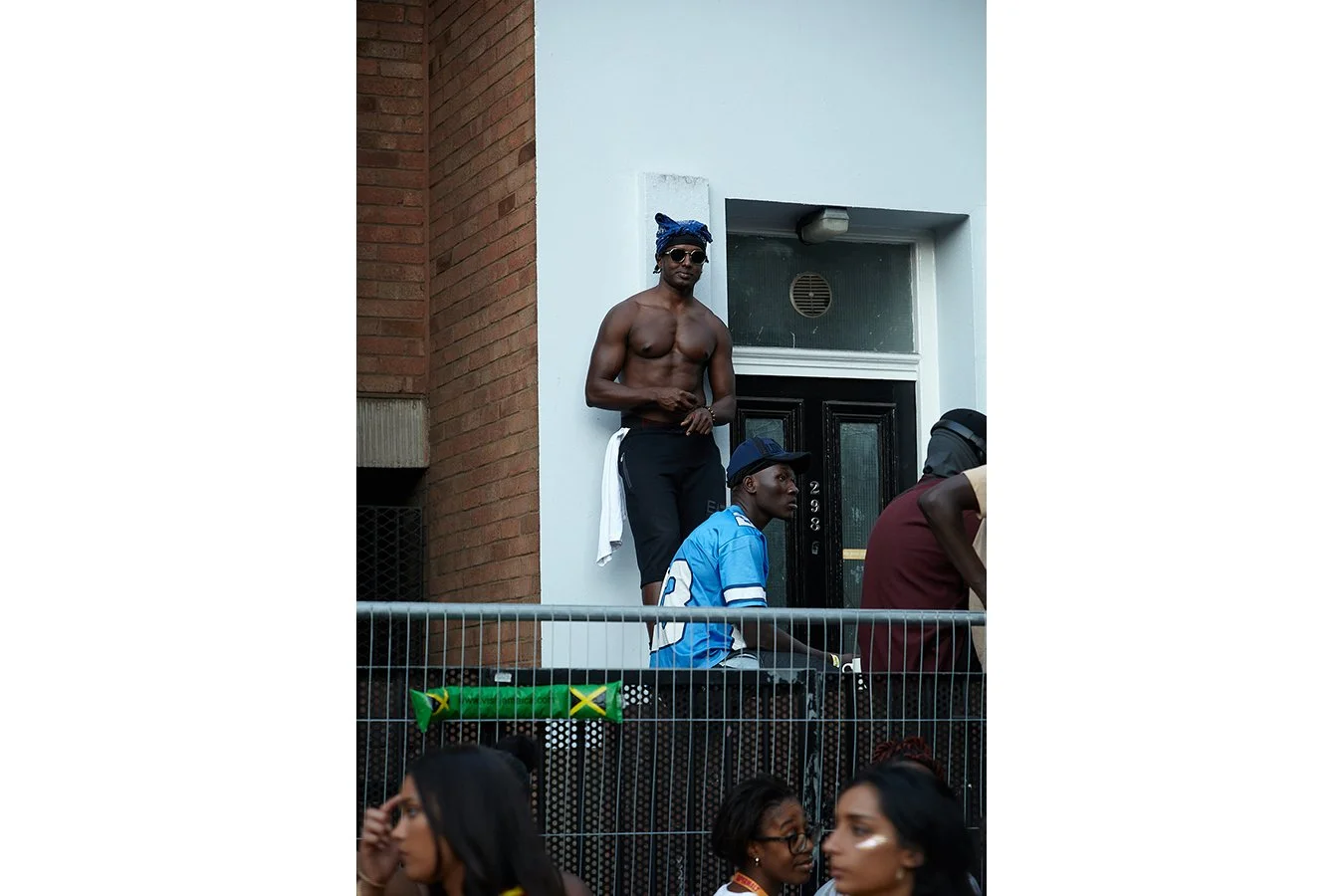
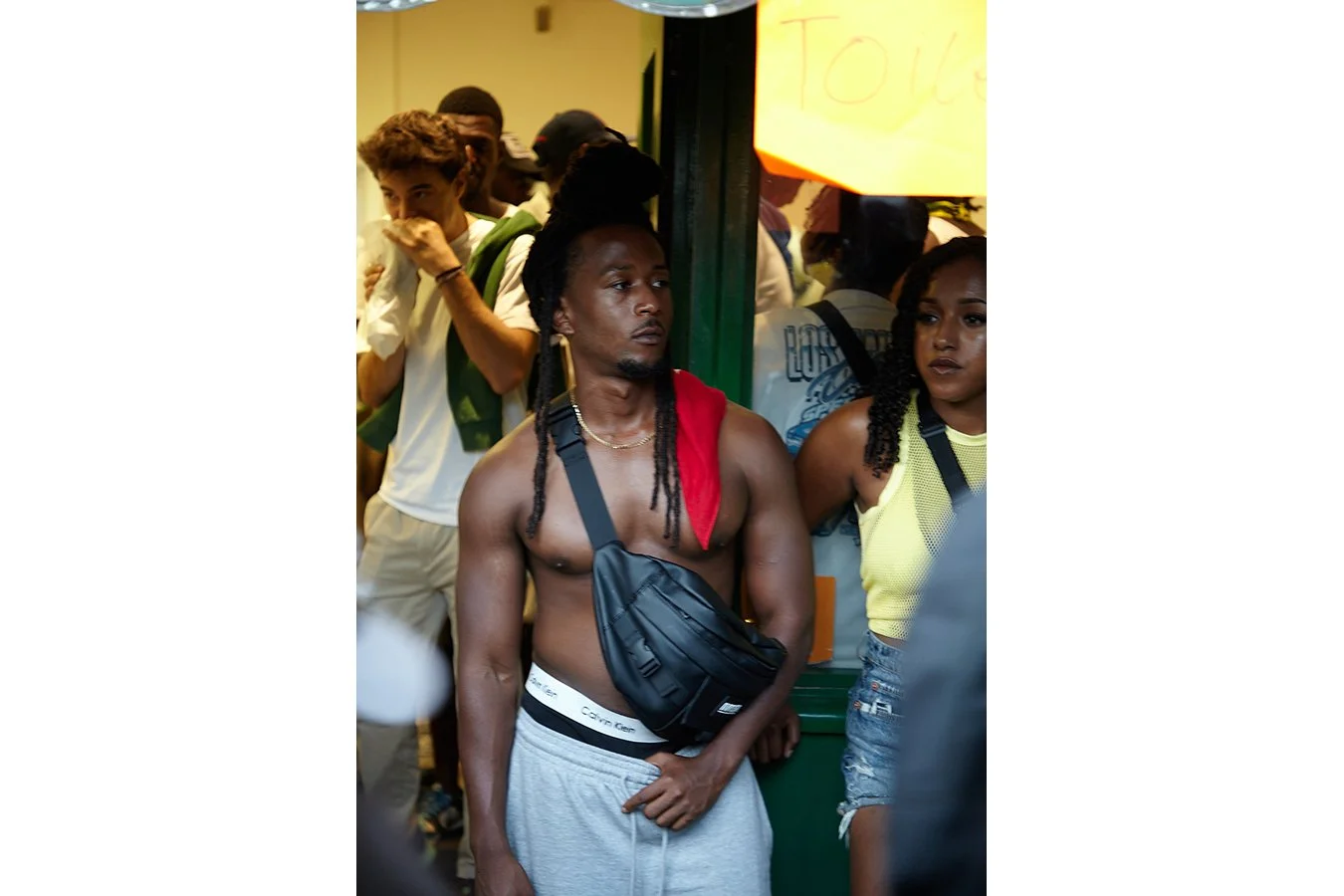
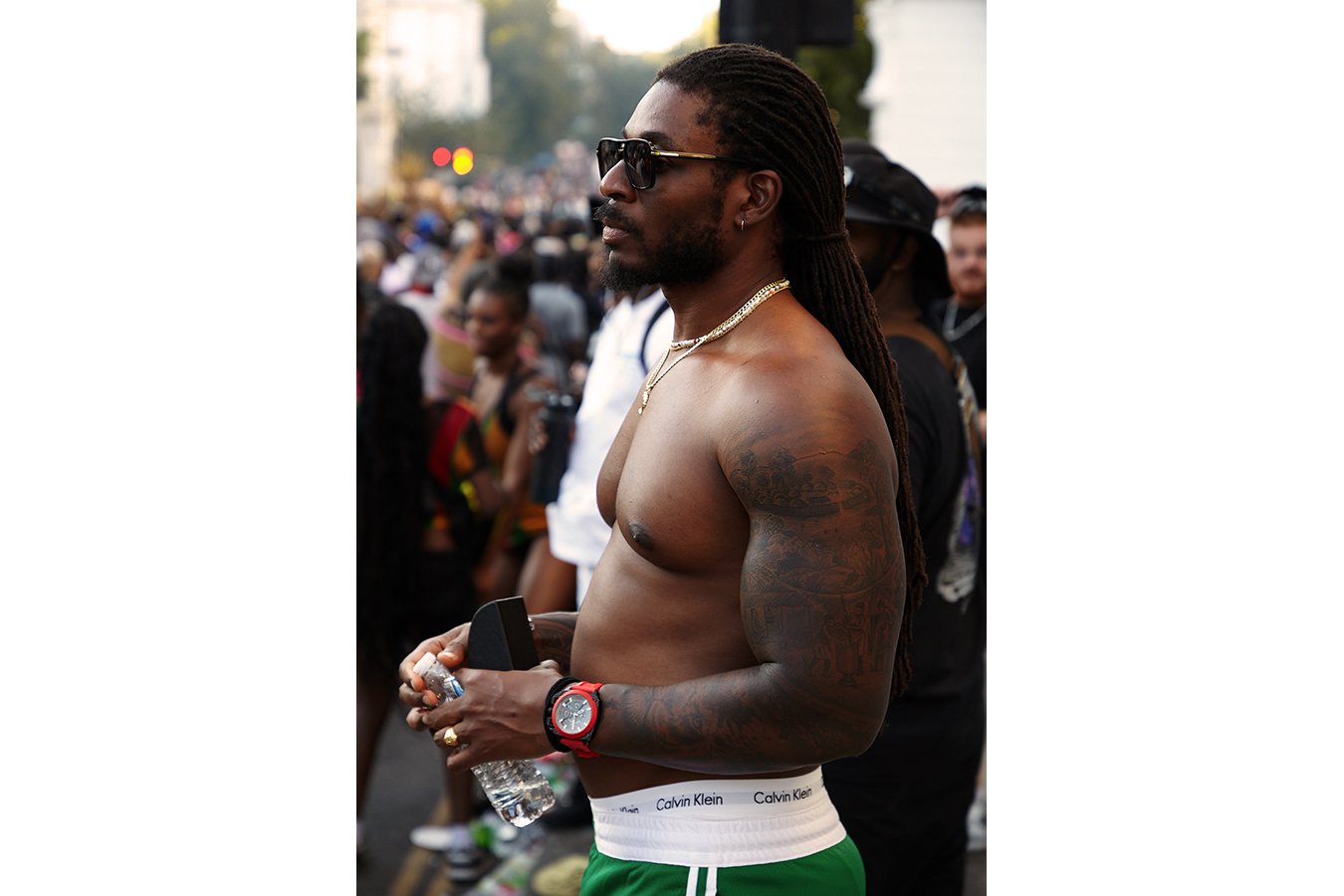
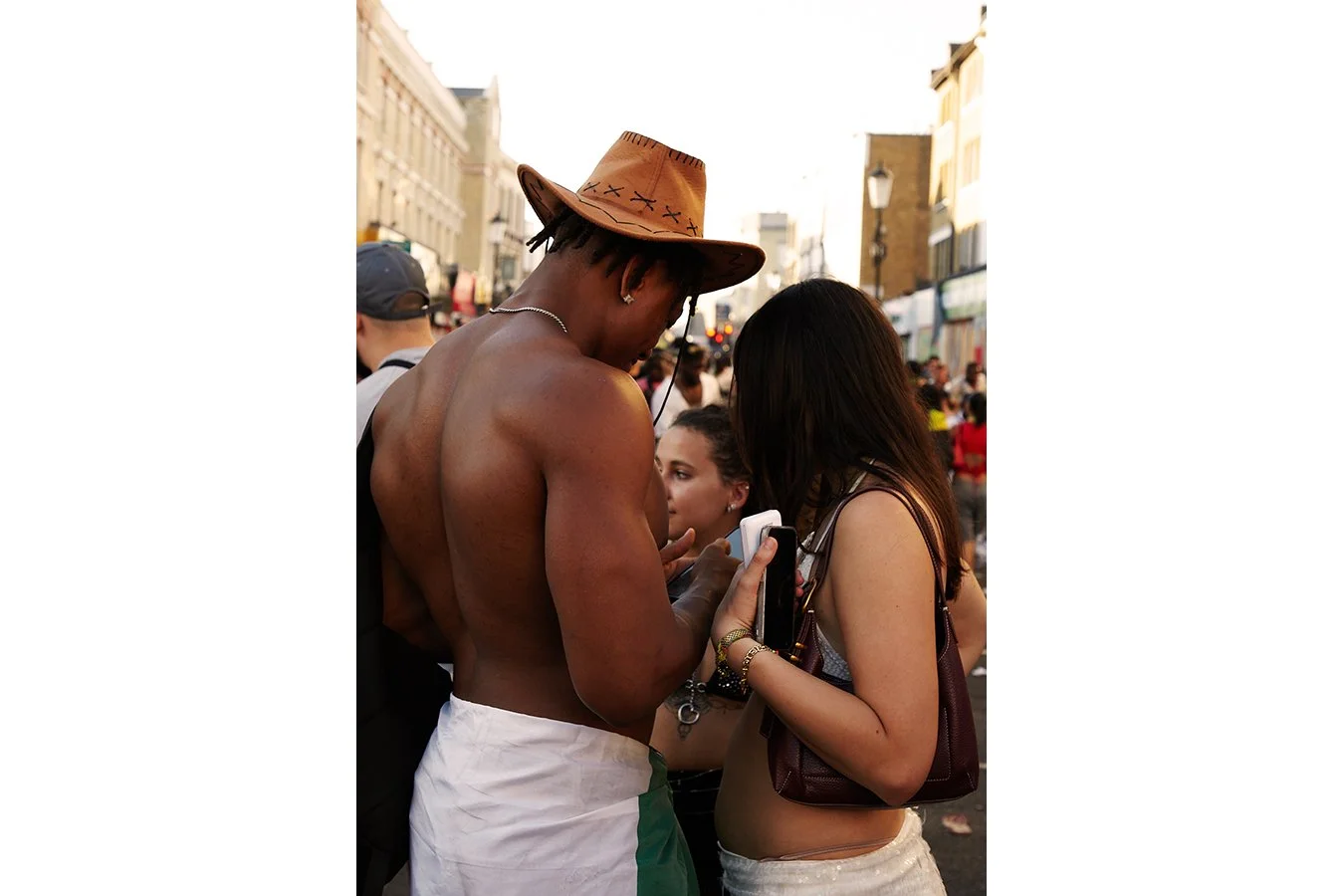
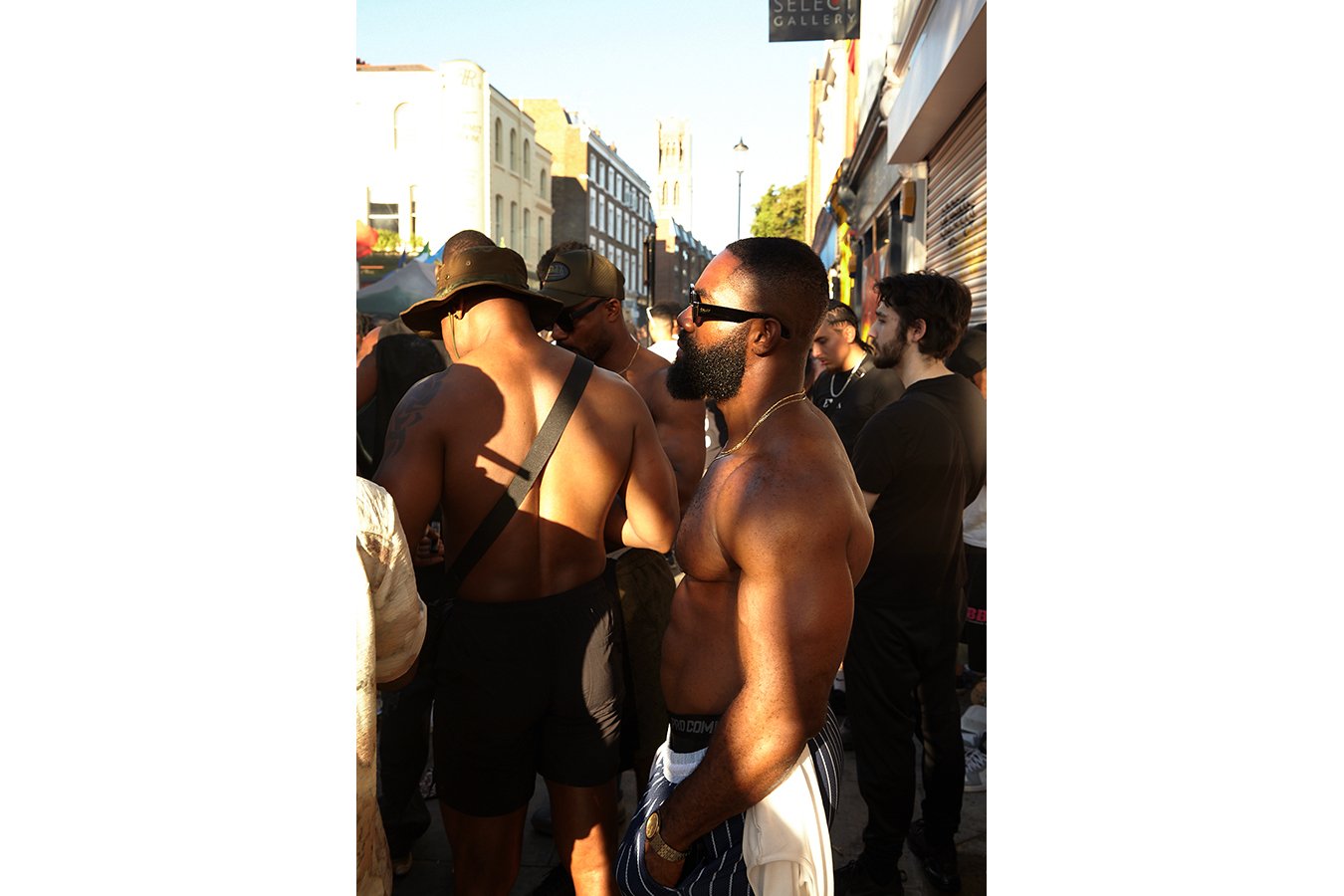
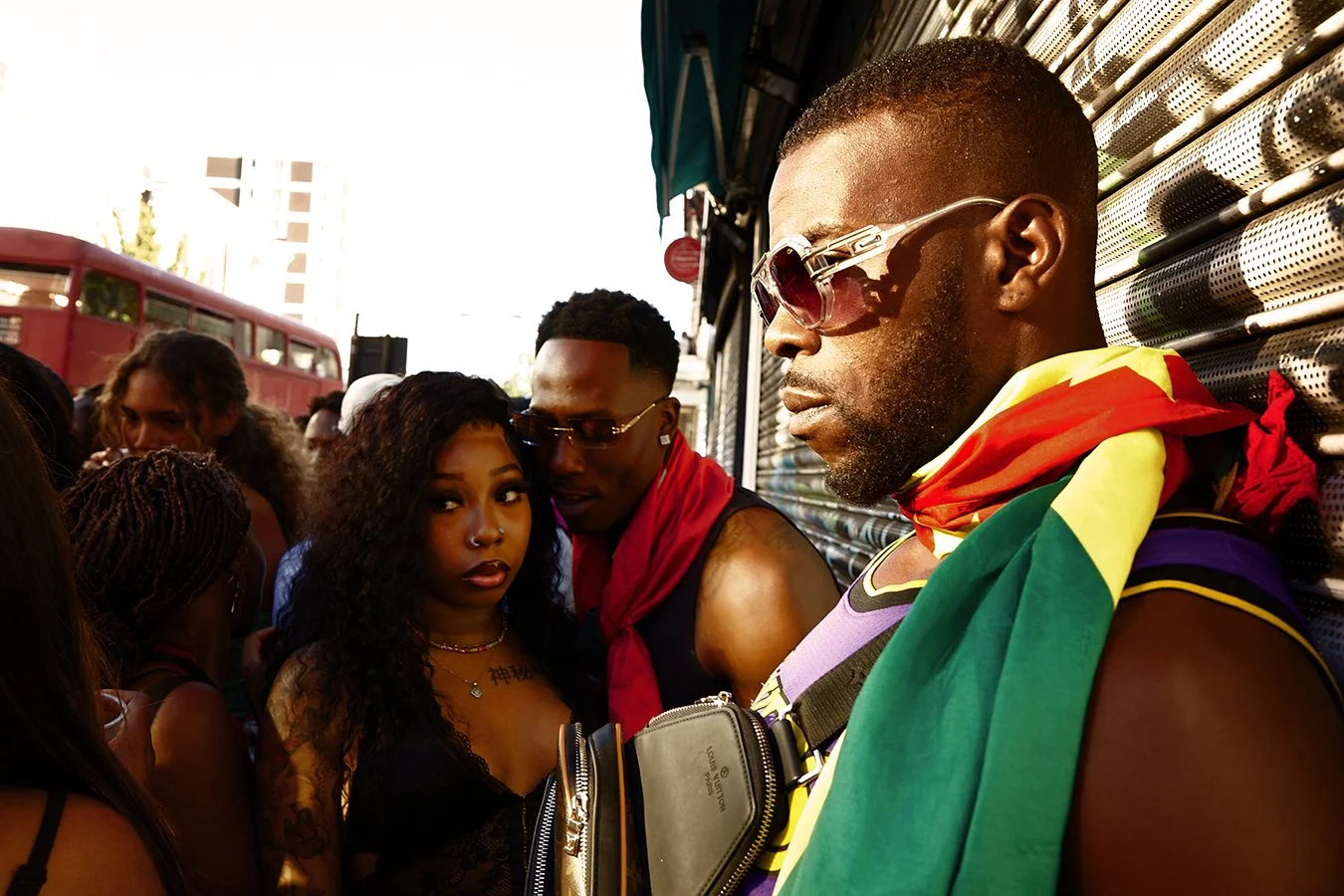
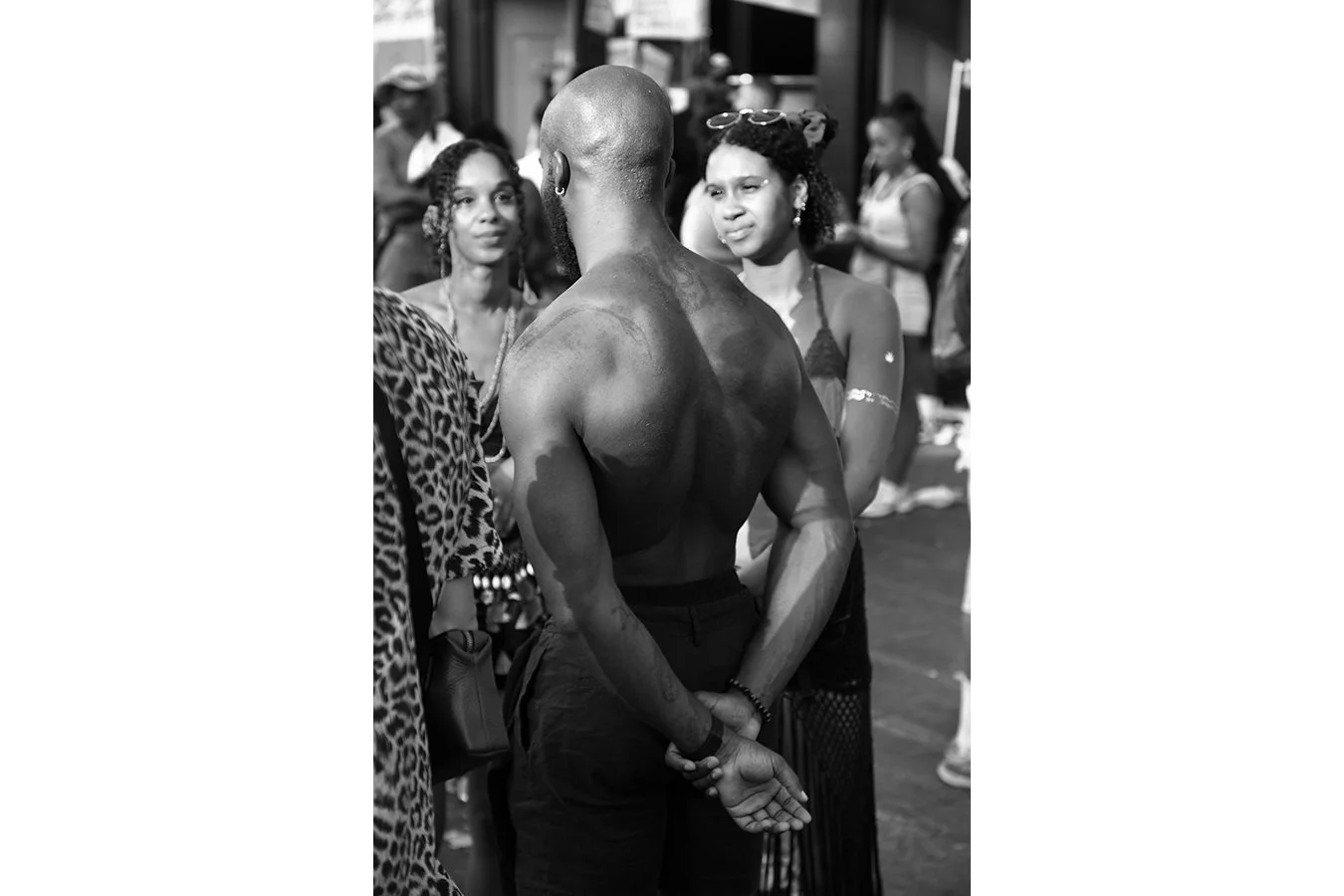
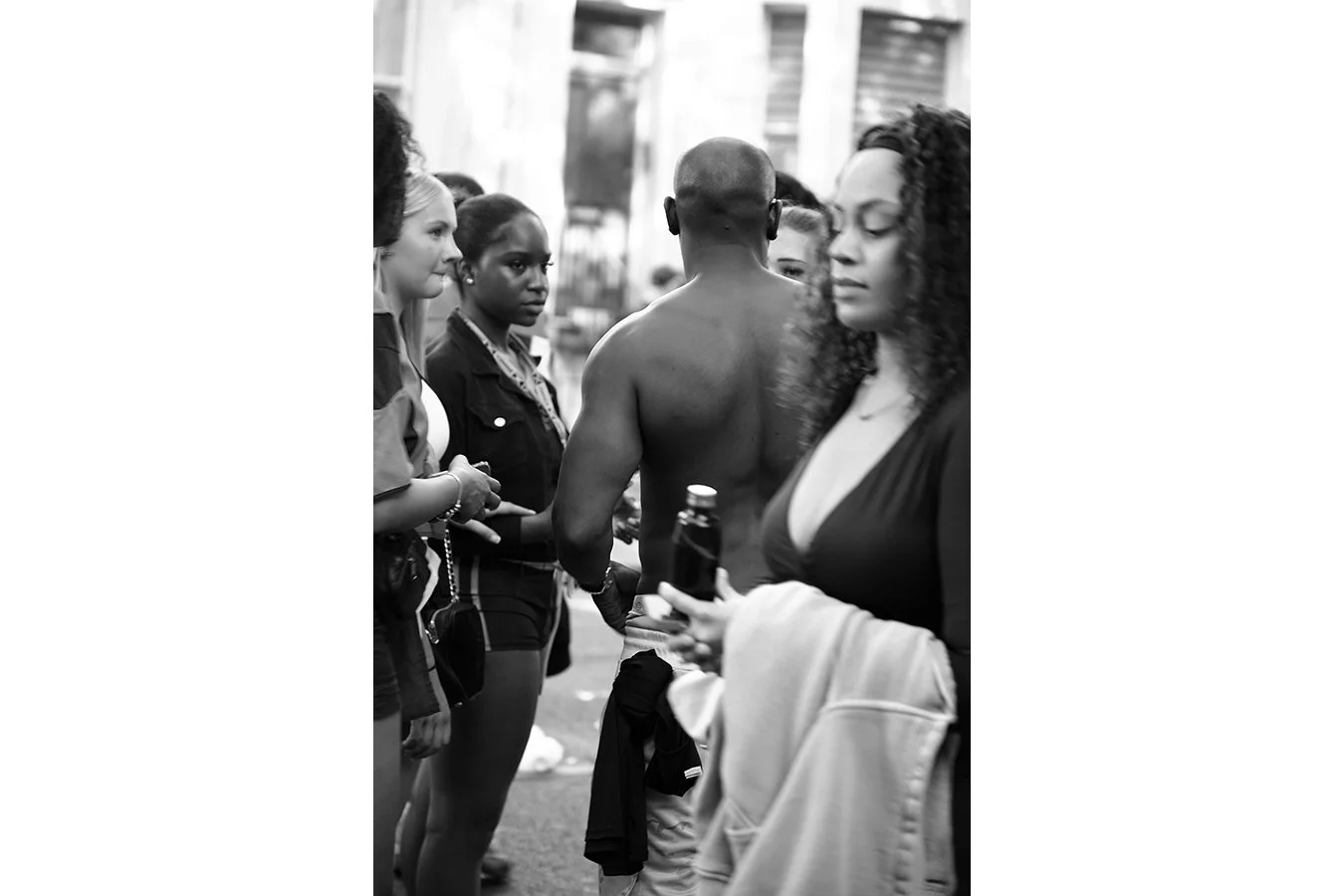
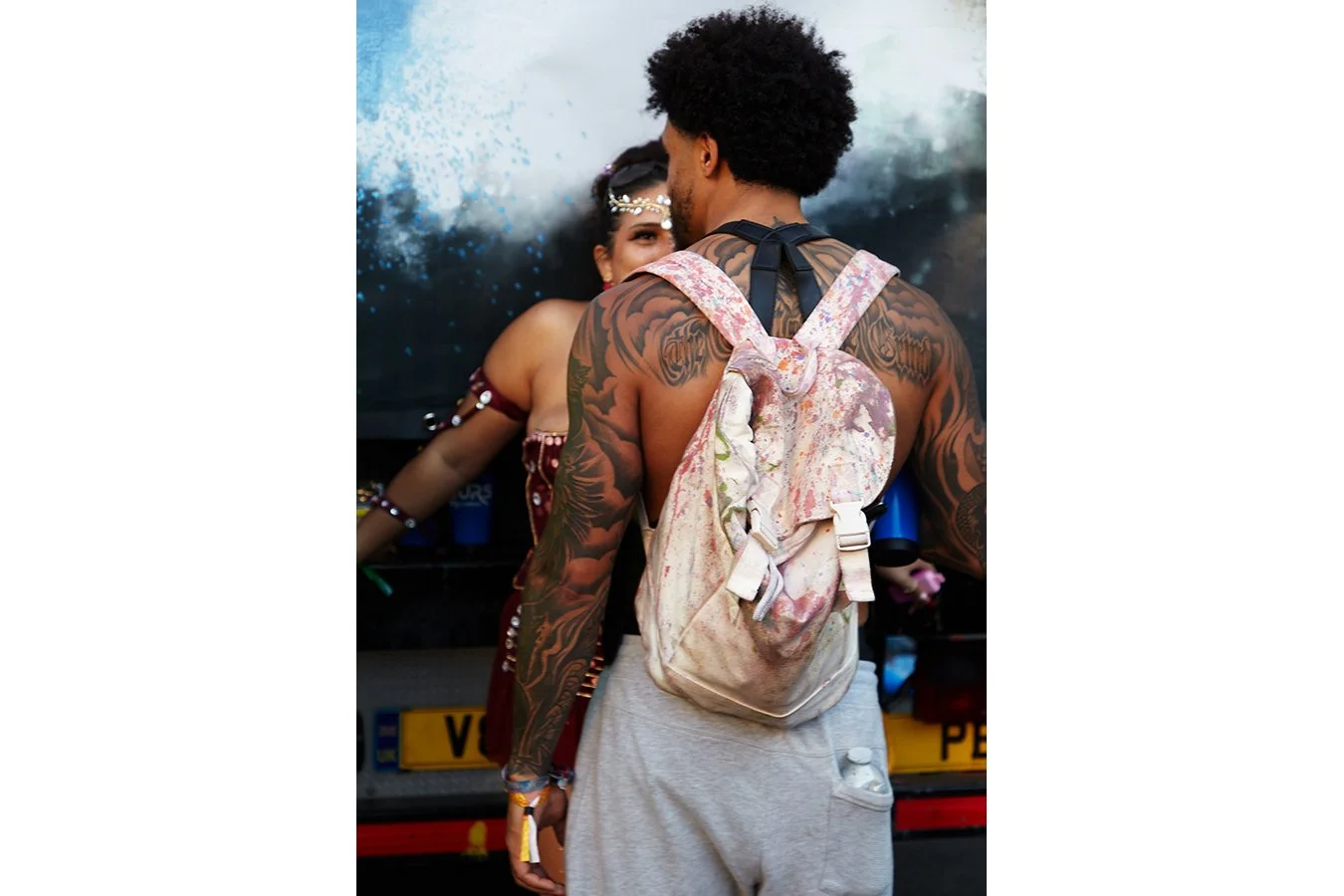
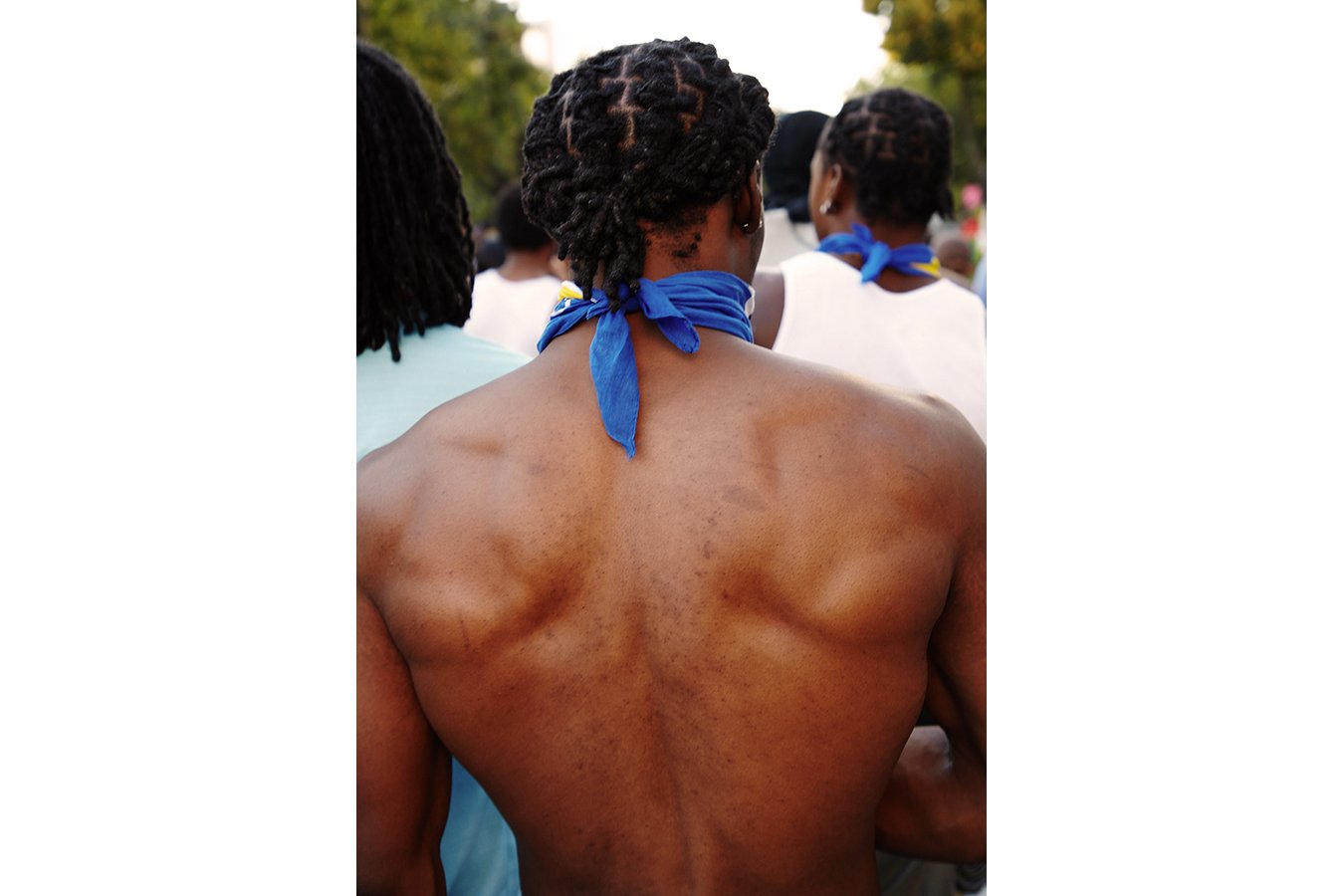
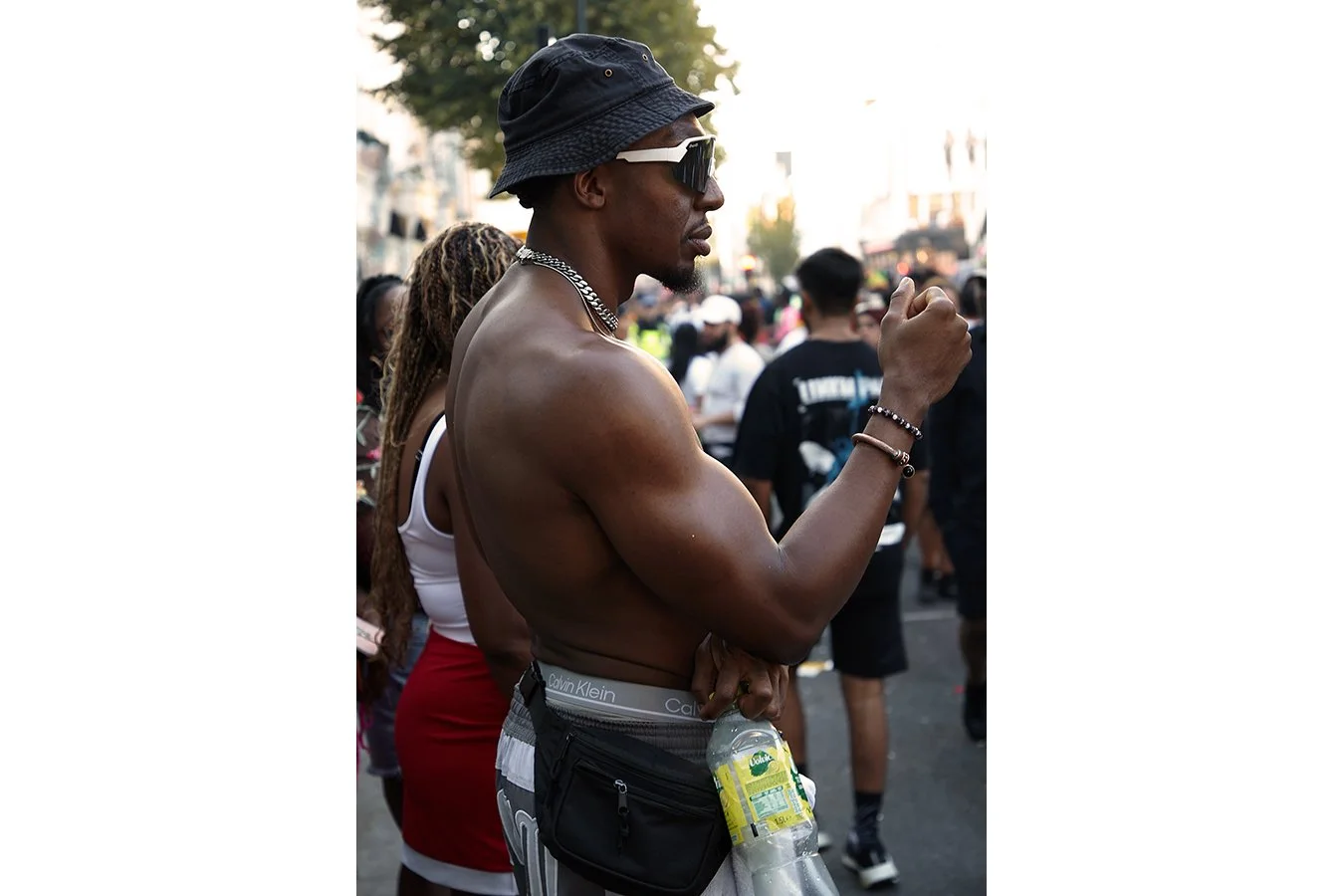

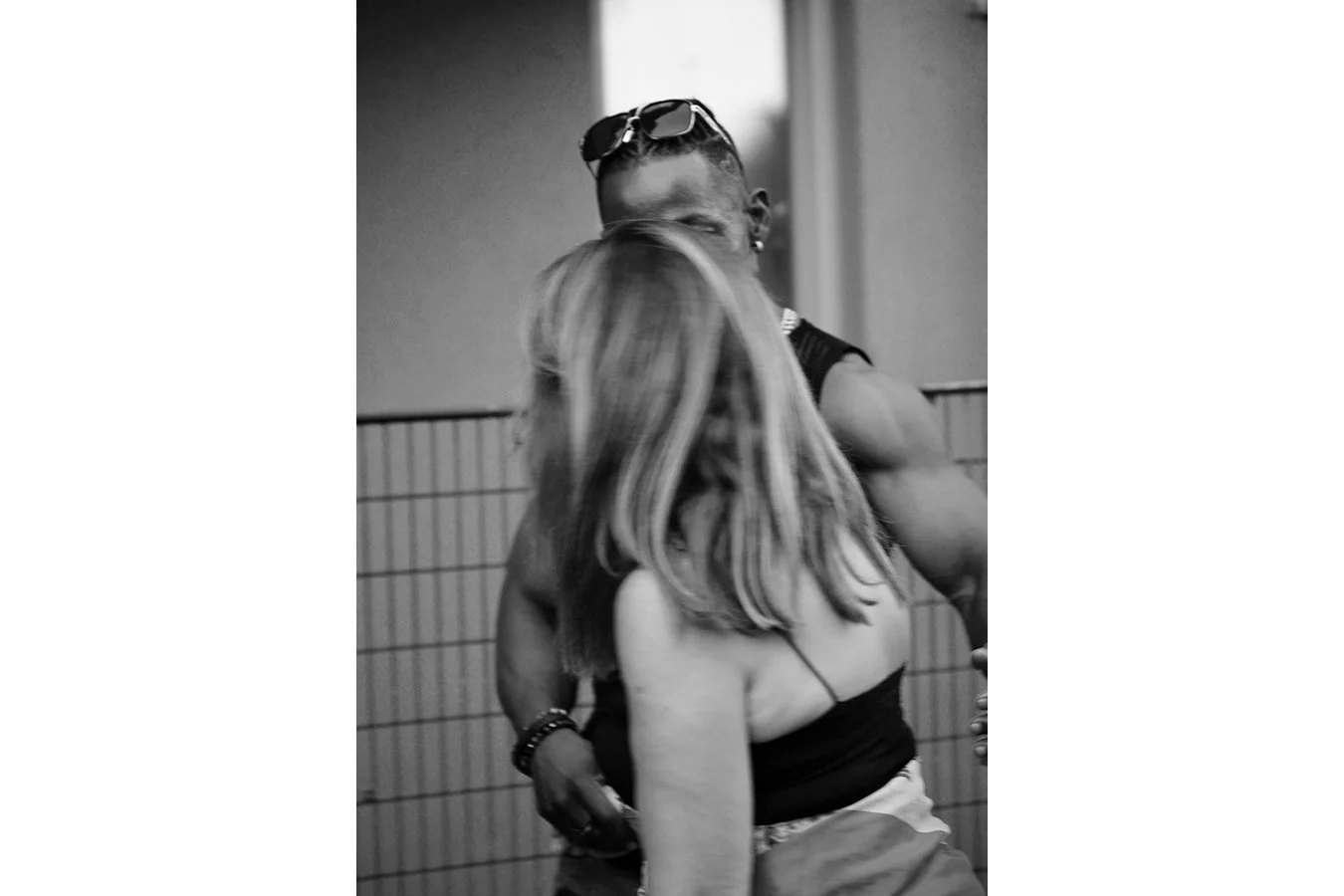
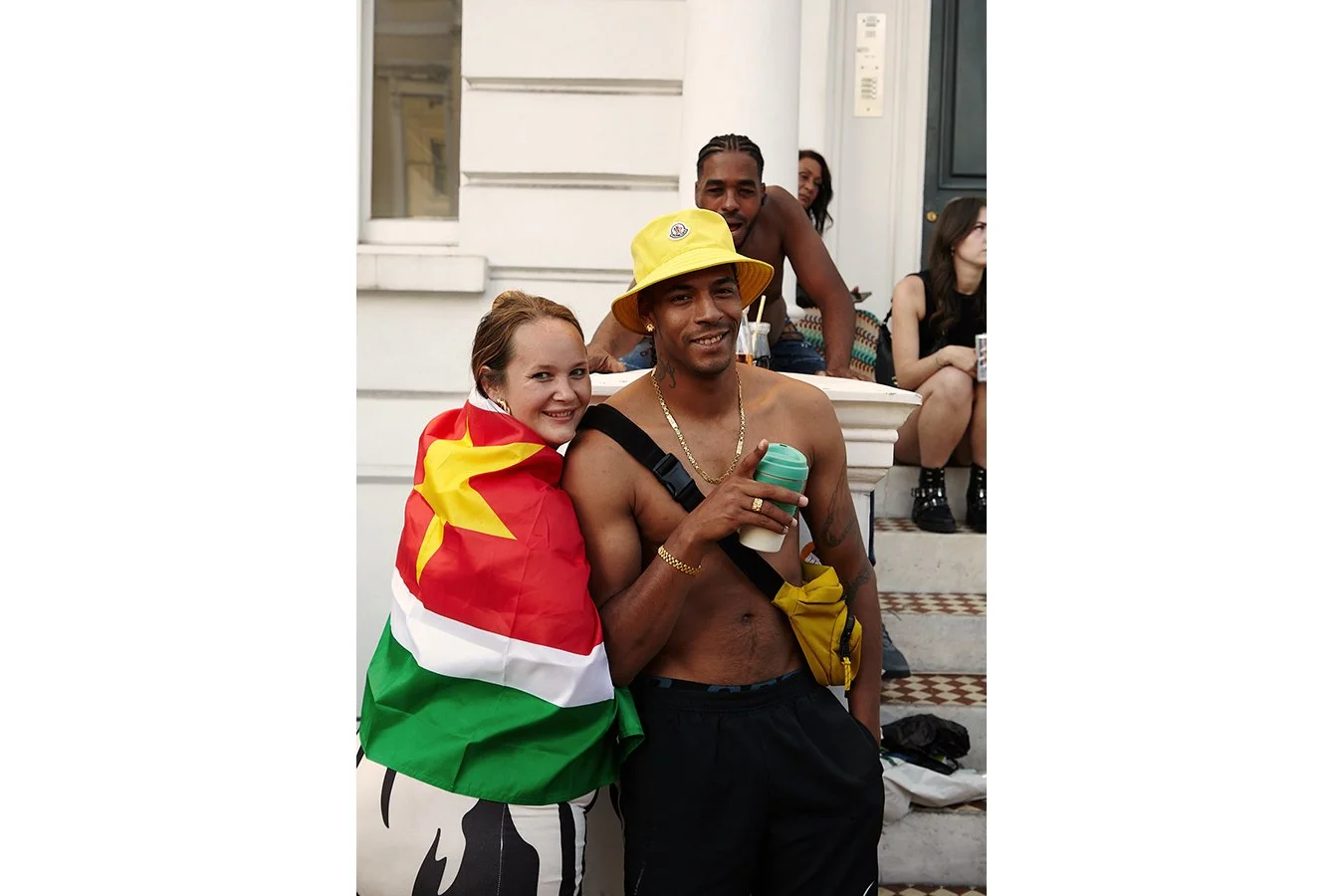
"BBC: Black. Body Construct." explores how Black men have navigated, negotiated, and at times embraced the hypersexualised image projected onto them — not behind closed doors, but in the full glare of public life.
Since slavery and colonialism, the Black male body has been positioned as spectacle — desired, feared, fetishised. In the modern West, this history echoes through everyday spaces: festivals, nightclubs, carnival routes. These are environments where Black men, more than any other group, often inhabit the role expected of them — revealing their bodies, flirting, dancing, performing a masculinity shaped by both spectacle and societal projection.
The images in Black. Body. Construct. are documentary in style but sociological in intent. They capture fleeting moments of bodily self-expression that blur the lines between stereotype and agency. Sometimes celebratory, sometimes tense, they reveal how public visibility can be both freedom and trap.
This extension of Sensi does not moralise or censor. It continues the investigation into Black masculinity by shifting the focus from private reconstructions to real-world performances — where the eroticised image of the Black man is not just consumed, but sometimes reclaimed.